Burnham ‘handed post-Brexit plan that could see Britain rejoin EU single market’
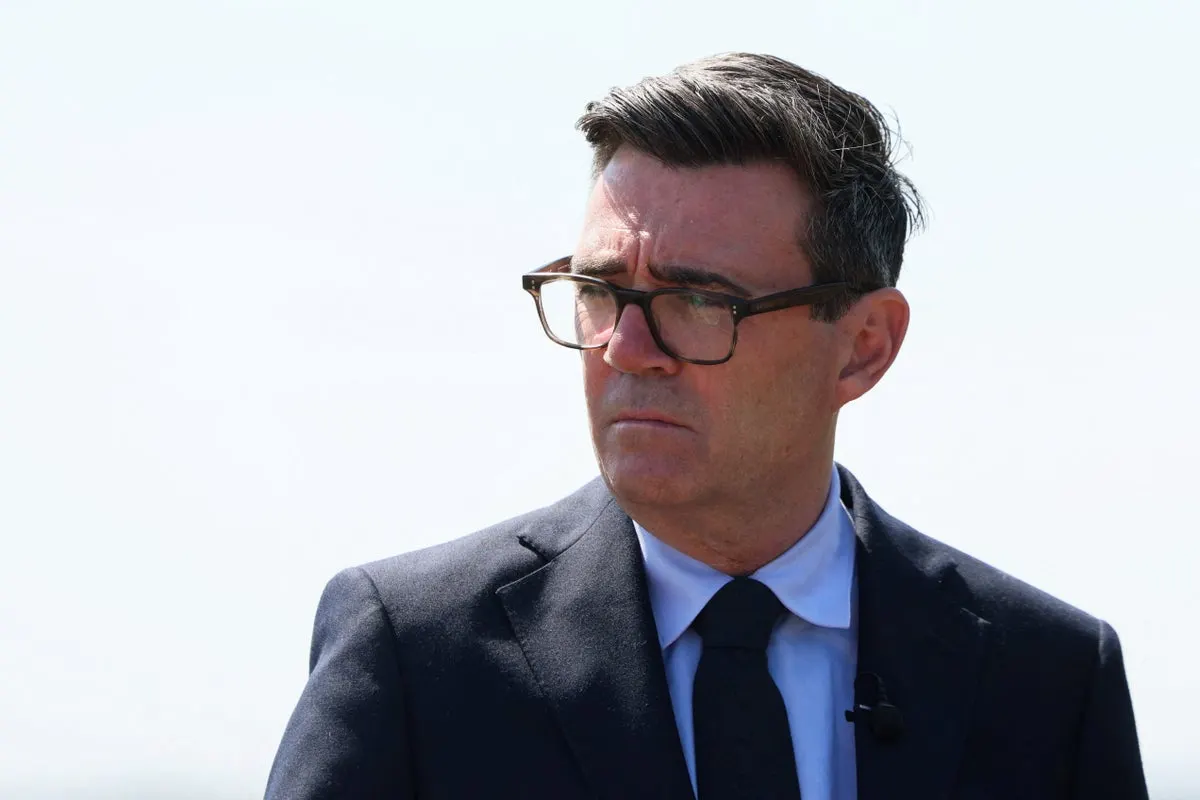
Andy Burnham has reportedly been given a post-Brexit proposal that would see the UK offer to extend its Armed Forces protection and nuclear deterrent across Europe in exchange for rejoining the EU's single market, according to The Telegraph. The plan, drawn up by former Tory MP Nick Boles, matters because it suggests the new prime minister could move away from Sir Keir Starmer's red lines, which had ruled out returning to freedom of movement, the single market or the customs union, potentially reopening the UK's relationship with Brussels.
The proposal calls for a "European Confederation" linking the single market with Nato defence commitments, with Ukraine, Switzerland, Norway and Western Balkan states also invited to join. Britain would need to spend 3.5 per cent of GDP on defence and extend its nuclear umbrella to non-Nato allies not currently covered by Trident, in return for single market access without accepting the euro or freedom of movement; Boles argues this framing, tied to helping solve problems like Ukraine, would be more persuasive to the EU than a purely bilateral UK request. The report has reportedly reached senior officials including national security adviser Jonathan Powell, and comes after minister Hamish Falconer declined to rule out a manifesto commitment to rejoining the EU, though Burnham has said only that he intends to "consolidate" progress made under Starmer.
In short
- Burnham reportedly shown plan to rejoin EU single market
- UK would offer defence and nuclear protection across Europe in exchange
- Plan drawn up by ex-Tory MP Nick Boles, seen by top officials
Steelman: both sides, in good faith
The strongest fair case each way — we don't pick a winner.
The case for
The proposal represents pragmatic thinking about Britain's strategic interests. Single market access would deliver genuine economic benefits—frictionless trade, investment, and competitiveness for UK businesses. By framing participation around defence and security contributions, particularly addressing challenges like Ukraine, the proposal transforms what could be seen as merely reversing Brexit into a forward-looking arrangement serving mutual European interests. The nuclear umbrella commitment ties Britain's strengths to solving real continental problems, making rejoining economically valuable whilst maintaining red lines on sovereignty like avoiding the euro or freedom of movement.
The case against
Reversing course on the single market without a fresh public mandate would violate the democratic decision made in 2016. The UK campaigned explicitly against EU regulatory alignment and the constraints of EU membership; reopening that question—even in modified form—asks citizens to doubt their own judgment. The defence commitment, whilst presented as advantageous, could entangle Britain in extensive European military obligations that constrain future independent action. Stability in UK-EU relations requires honouring commitments made by previous governments, not treating fundamental constitutional questions as negotiable based on economic cycles.
Explained simply
Brexit changed the UK’s relationship with the European Union (EU), including by taking it out of the single market, which allows goods and many services to be traded across borders under shared rules. The UK government has so far ruled out rejoining it, as well as restoring free movement between the UK and EU.
Andy Burnham is the mayor of Greater Manchester and a senior Labour politician; Nick Boles is a former Conservative MP who drew up the reported proposal. It would link access to the single market with European defence cooperation, including a larger UK defence role, and proposes a wider grouping involving countries such as Ukraine, Switzerland and Norway.
The debate matters because rejoining the single market would be a major change in the UK’s ties with Brussels and could affect trade, migration rules and defence commitments. The proposal also raises questions about what the UK and EU might each be willing to agree.