Sophie Cunningham’s former teammate appears to fully endorse DiJonai Carrington’s flagrant foul on Fever star
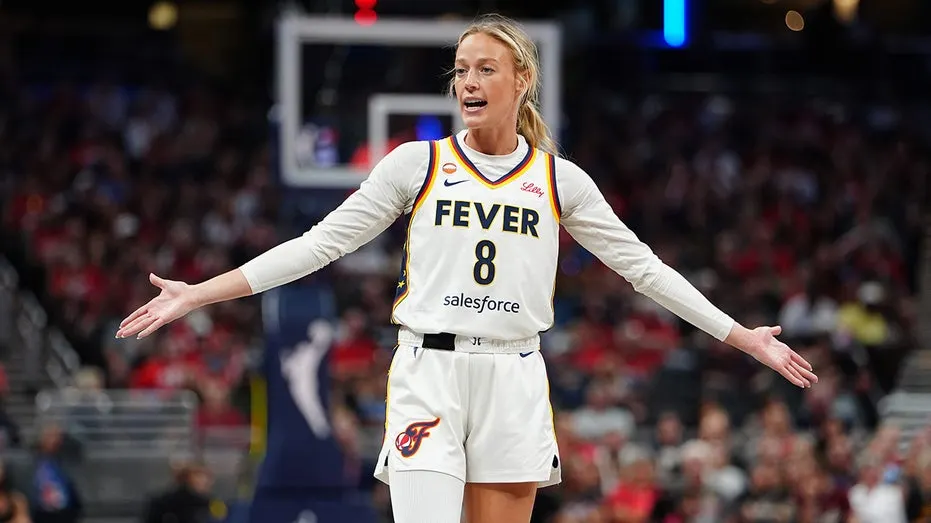
A row has erupted in the WNBA after a former Indiana Fever teammate of Sophie Cunningham appeared to endorse a flagrant foul committed against her by Chicago Sky guard DiJonai Carrington. The incident, in which Cunningham was left with a bloody mouth after being struck in the face, has become a flashpoint in wider debates about how the league handles player safety and has drawn commentary from fans, pundits and even political figures.
Carrington was ejected for the foul and subsequently posted about "White privilege" on social media, further inflaming the controversy, while Fever head coach Stephanie White defended Carrington despite the ejection involving her own player. The episode has spawned a wave of related coverage, including protests and rallies outside WNBA arenas, criticism of ESPN's handling of the story, and the league separately rescinding a technical foul against Fever star Caitlin Clark. Commentators such as OutKick's Dan Dakich have framed the saga as part of a broader argument about integrity and fairness in women's sports.
In short
- Ex-teammate seemingly backs Carrington's flagrant foul on Cunningham
- Foul left Cunningham bloodied; Carrington was ejected
- Incident fuels wider WNBA row over "White privilege" post and player safety
Steelman: both sides, in good faith
The strongest fair case each way — we don't pick a winner.
The case for
Player safety must be the paramount concern in professional sport, and a flagrant foul causing visible injury demands unambiguous consequences and prioritisation of athlete welfare. The troubling aspect extends beyond the incident itself to how it was subsequently handled—a coach dismissing a foul against her own player, the deflection toward social media commentary about race rather than player protection, and the apparent inconsistency in standards all suggest the conversation has shifted away from the principle that athletes deserve protection from injury-causing contact.
The case against
Basketball is an inherently physical sport where contact and occasional minor injuries occur within the normal bounds of play, and officials are trained to distinguish between hard competitive play and genuinely dangerous fouls. The referee system acted immediately through ejection, which represents the appropriate mechanism for addressing misconduct; the subsequent amplification of this incident through social media controversy, arena protests, and external political commentary suggests an overreaction that distorts what was fundamentally a disciplinary decision already executed by those responsible for game integrity.
Explained simply
The Women’s National Basketball Association (WNBA) is the top professional women’s basketball league in the United States. The Indiana Fever and Chicago Sky are two of its teams, and Sophie Cunningham, DiJonai Carrington and Caitlin Clark are players connected to the Fever.
Basketball rules allow referees to call a flagrant foul when contact is judged especially serious; a player can be ejected depending on the call. Disputes over fouls can draw wider attention when they involve questions about player safety and how rules are applied.
The story also touches on how race is discussed in sport: Carrington referred to “White privilege” in a social media post, and reactions have become part of the public debate. Coaches, fans and commentators may interpret the same incident differently, while the WNBA sets and enforces the league’s rules.
Asia Celebrity Entertainment World