Culture news and discussion on TalkFuse.
Spy cameras on Navy drones used by Britain’s elite special forces ‘secretly sent data to China’
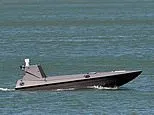
A report claims that spy cameras fitted to Royal Navy drones used by Britain's special forces secretly transmitted data to China, raising concerns about the security of equipment relied upon by some of the UK's most sensitive military units. The allegation, reported by the Daily Mail, points to potential vulnerabilities in the supply chain for surveillance technology used by the armed forces, a concern that has previously been raised about Chinese-made components in Western defence and security equipment.
The article's full details were not available in the text provided, so specific figures, the drone models involved, the camera manufacturer, and the Ministry of Defence's response cannot be confirmed here. The claim nonetheless touches on long-running anxieties in the UK and allied nations about Chinese-manufactured surveillance hardware being used in sensitive government and military contexts.
In short
- Report claims Navy special forces drone cameras sent data to China
- Raises fresh concerns over Chinese-made surveillance tech in UK defence
- Full article details unavailable; specifics unconfirmed
Steelman: both sides, in good faith
The strongest fair case each way — we don't pick a winner.
The case for
This allegation illustrates why Chinese-made or controlled equipment poses unacceptable risks in sensitive military contexts. When elite special forces operations depend on absolute security, the potential for deliberate espionage or sabotage is a catastrophic threat that justifies strong restrictions. The human cost of compromise—potential deaths of special forces personnel and blown operations—makes this one area where cost and convenience must be secondary to security, necessitating careful sourcing controls.
The case against
Security depends on rigorous testing and oversight, not simply where equipment is manufactured. Complete exclusion of Chinese technology is economically impractical and may be counterproductive, potentially accelerating Chinese military development whilst creating a false sense of security. Better security comes from improving procurement standards, independent verification protocols, and ongoing oversight of all suppliers, ensuring robust security regardless of origin. Practical, evidence-based security measures serve national interests more effectively than ideological restrictions.
Explained simply
Military drones can carry cameras and other sensors to gather information from the air, including images of people, vehicles or locations. The Royal Navy operates drones, and some are used in support of special forces, whose work is often sensitive.
The report raises questions about who makes the equipment and where the information it collects is sent. Governments in the UK and other Western countries have raised security concerns about Chinese-made technology in military and government systems, because access to data or weaknesses in equipment could create risks.
The details available do not identify the drone or camera models, the manufacturer or the Ministry of Defence’s response. Those details would help establish what was used, what data may have been transmitted and how the claim was assessed.