Dogs can tell if you’re scared or sad
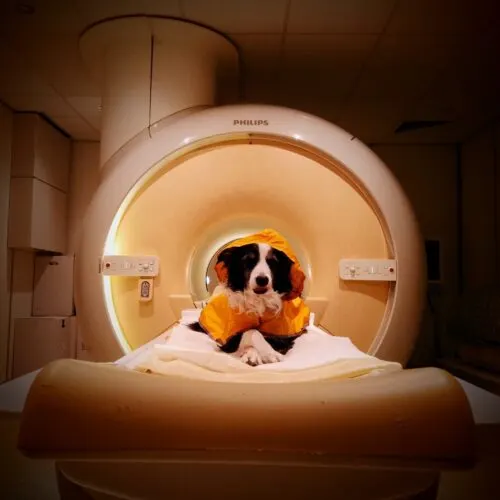
Scientists have used fMRI scans on dogs to identify how their brains process human facial expressions, finding that dogs can distinguish between happiness and negative emotions such as anger, sadness and fear. The research, published in the journal iScience, builds on prior behavioural studies showing dogs respond differently to happy versus fearful or disgusted human expressions, and offers new insight into the neural basis of the close social and emotional bond between dogs and humans.
In the first experiment, eight well-socialised pet dogs were shown neutral or happy human faces while in an MRI scanner, revealing that the temporal cortex and caudate nucleus (linked to cognition and reward respectively) responded most strongly to happy expressions. A follow-up study with 12 dogs tested reactions to happiness, sadness, fear and anger, showing that negative emotions triggered different brain activity to happy faces, while a further whole-brain analysis found distinct patterns for fear, anger and sadness individually. The researchers note that in real life, dogs also draw on body language, vocal tone and scent alongside facial cues, which still photographs cannot capture.
In short
- fMRI scans show dogs' brains distinguish happy from negative human faces
- Separate brain patterns found for fear, anger and sadness in dogs
- Study used 8 then 12 dogs, published in journal iScience
Explained simply
Dogs have lived alongside people for thousands of years, and many are kept as companions. They are good at picking up cues from people, including posture, voice and smell, which can help them respond to human moods.
Researchers study dogs’ responses to learn how they understand people and how the bond between the two species works. Earlier behavioural studies found that dogs react differently to some human expressions; brain scans can show which areas of a dog’s brain respond to those cues. The findings may help explain dogs’ social sensitivity, though real-life interactions involve more than facial expressions alone.