‘House of the Dragon’ Officially Rewrites the Saddest Downfall in Game of Thrones History
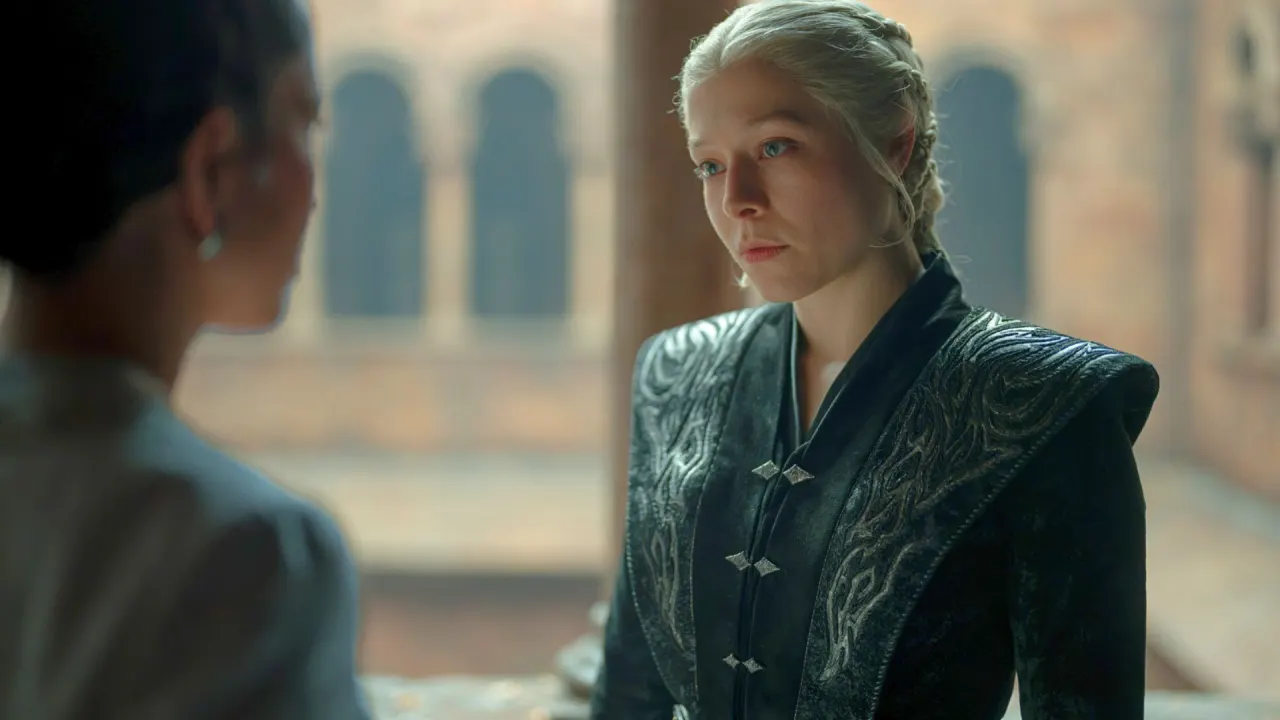
House of the Dragon's season three finale has made changes that suggest showrunners Ryan Condal and Sara Hess may be rewriting one of the most tragic character arcs from George R.R. Martin's source material, Fire & Blood. Rhaenyra Targaryen, played by Emma D'Arcy, is shown reaching a point of no return after losing her sons and key allies, prompting concern among fans about how far the planned fourth and final season will diverge from the book's original, harrowing conclusion for her character.
In the book, Rhaenyra's brief and brutal rule over King's Landing earns her the nicknames "Maegor with Teats" and "Rhaenyra the Cruel" after the smallfolk blame her for her half-sister Helaena's suicide and heavy wartime taxation, while a string of betrayals — including dragonriders Ulf and Hugh switching sides at the Battle of Tumbleton — leaves her isolated and easily captured by her rival, Aegon Targaryen. The show has already diverged notably, including depicting Rhaenyra force-feeding and effectively causing Helaena's death directly, and merging the book character Nettles into Rhaena Targaryen, changes that could significantly alter how her downfall unfolds on screen.
- House of the Dragon season 3 finale alters Rhaenyra's book storyline significantly.
- Show diverges from Fire & Blood's "Rhaenyra the Cruel" downfall narrative.
- Season 4 may further rewrite her tragic ending from the source material.
New here? Start with this
House of the Dragon is a prequel to Game of Thrones, set generations earlier, when members of the Targaryen family fight over who should rule the Seven Kingdoms. Its story draws on George R.R. Martin’s Fire & Blood, a fictional history of the dynasty. Rhaenyra Targaryen and her half-brother Aegon are rival claimants, and their struggle becomes a civil war known as the Dance of the Dragons.
In the book, Rhaenyra briefly takes control of the capital, but wartime hardship and blame for Helaena’s death turn many ordinary people against her. Betrayals by dragonriders weaken her position, allowing Aegon’s forces to capture her. The television series has changed some events and characters, so those differences may affect how Rhaenyra’s story ends.
Both sides, in good faith
The strongest fair case each way — we don't pick a winner.
The case for
The show should preserve the source material's tragic arc for Rhaenyra because the books present a carefully crafted downfall where her cruelty is largely attributed rather than truly earned, making the irony and tragedy more philosophically complex. The changes already made—particularly making her directly responsible for Helaena's death—fundamentally alter the moral weight of her character, shifting her from a tragic figure caught in impossible circumstances to a tyrant who earns her fate. Respecting George R.R. Martin's vision and the narrative that drew fans to the story honours both the original work and audience expectations.
The case against
Television requires different storytelling approaches than novels, and showrunners must adapt rather than merely transpose source material. The deliberate changes made—including Rhaenyra's direct involvement in Helaena's death—serve a coherent thematic purpose about power's corrupting nature and war's costs. Expecting the show to recreate the books precisely would be creatively stifling and potentially weaker for television; an adapted downfall, even if it differs significantly, can be just as tragic and meaningful if executed thoughtfully. Adaptation has always demanded new creative choices.