Michigan Dem Senate nominee comes under fire over resurfaced blog post linking football to ‘toxic masculinity’
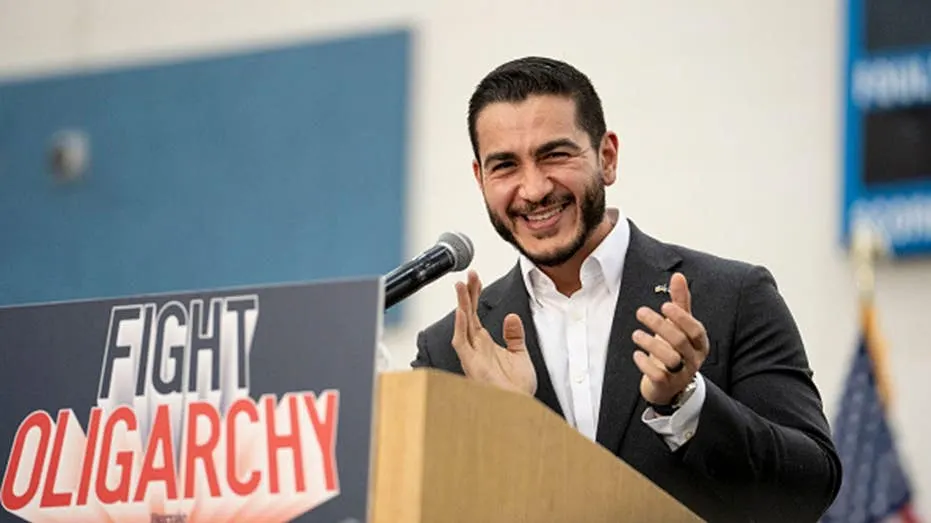
Abdul El-Sayed, the Democratic nominee for a US Senate seat in Michigan, is facing criticism after a 2021 blog post resurfaced in which he linked American football to "toxic masculinity". The piece, highlighted in a report by The Midwesterner, has drawn attention as El-Sayed campaigns for the Senate, with critics seizing on his past remarks about US sports culture and traditional masculinity.
The Substack post was reportedly written around the time a former Las Vegas Raiders coach was embroiled in controversy, prompting El-Sayed to criticise the sport more broadly. The resurfacing of the writing has become a talking point for opponents seeking to characterise his views as out of step with mainstream sporting culture, though further detail on his full comments and any response from his campaign was not available in the source material.
- Abdul El-Sayed's 2021 blog post on football resurfaces
- He linked the sport to "toxic masculinity"
- Michigan Senate nominee now facing political criticism
Both sides, in good faith
The strongest fair case each way — we don't pick a winner.
The case for
Critics contend that characterising an entire sport as inherently linked to "toxic masculinity" is reductive and dismisses the genuine enjoyment millions of Americans derive from football across all demographics. They argue such sweeping cultural commentary, particularly from a political candidate, suggests an alienation from mainstream values and can appear elitist—a significant vulnerability in a general election campaign in an industrial state where working-class voters are crucial to Democratic success.
The case against
Supporters argue that examining how sports culture relates to gender norms and misconduct is a legitimate form of critique, especially given documented workplace problems within professional sports, and that selective opposition research is weaponising a five-year-old blog post rather than engaging substantively with his full record. They contend that one nuanced cultural observation should not be treated as disqualifying or representative of a candidate's actual platform and values.