Iran’s steep demands for US over Strait of Hormuz threaten to derail reopening
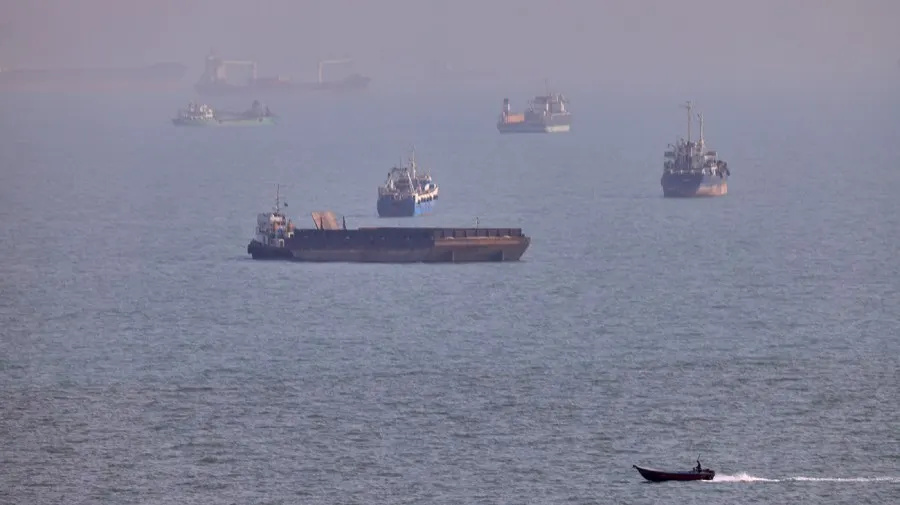
A deal between Iran and Oman to reopen the Strait of Hormuz is teetering over steep demands from Tehran for the United States and vice versa. Iran on Sunday said the agreement to set up new shipping lanes was in its final stages, but repeated that the vital waterway would only reopen once Washington met…
Both sides, in good faith
The strongest fair case each way — we don't pick a winner.
The case for
Iran's negotiators can reasonably argue that after years of sanctions, asset freezes and military pressure culminating in direct strikes on their territory, they are entitled to binding guarantees – not mere assurances – before reopening a waterway that is also their own coastline and a vital economic lifeline. From this perspective, insisting on sanctions relief, security commitments and respect for sovereignty before allowing new shipping lanes is simply prudent self-preservation, not obstruction, and reflects a legitimate demand to be treated as an equal party rather than dictated to.
The case against
The American and allied position can equally be defended as pragmatic: the Strait of Hormuz is a global chokepoint through which a fifth of the world's oil flows, and no nation should be able to hold international commerce hostage to extract concessions unrelated to navigation itself. Advocates for firm US terms argue that predictable, verifiable arrangements – rather than open-ended promises to a government with a history of rapid escalation – are the only responsible basis for reopening, and that resisting steep demands protects the interests of the many nations reliant on free passage, not just those of Washington.