How and When to View the Perseid Meteor Shower (August 2026)
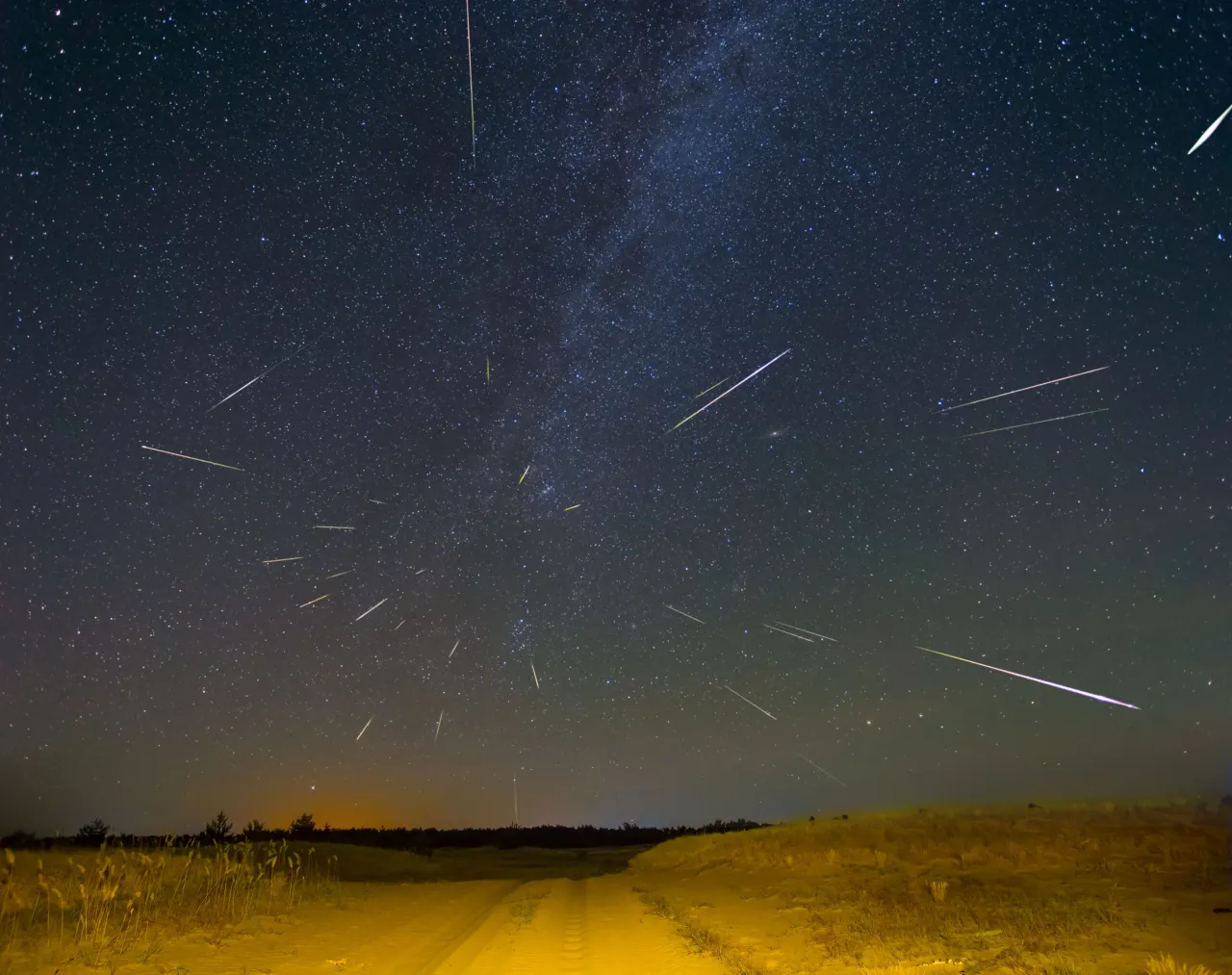
The Perseid meteor shower will peak on the night of 12–13 August 2026, offering skywatchers in the northern hemisphere and parts of the southern hemisphere an especially favourable viewing opportunity. This year the peak coincides with a new moon, meaning there will be no moonlight to wash out the display, making the sky darker than usual and the meteors easier to spot. The shower occurs when Earth passes through debris trails left by comets, with friction from the atmosphere burning up the particles and creating streaks of light.
At their best, the Perseids can produce up to 100 meteors an hour, ranking them among the year's most intense showers alongside the Geminids and Quadrantids. NASA and the European Space Agency advise viewers to find a dark location away from light pollution, allow 20 to 30 minutes for their eyes to adjust, and avoid telescopes, binoculars or phone screens, since meteors can appear anywhere in the sky rather than only near the Perseus constellation. Observers are encouraged to lie down or recline after midnight, when the shower's radiant point is higher, and to remain patient for at least an hour, as meteors tend to appear in irregular bursts.
In short
- Perseid meteor shower peaks on the night of 12–13 August 2026.
- New moon means darker skies and better visibility this year.
- NASA/ESA advise dark locations, naked-eye viewing, and patience after midnight.
Explained simply
Meteor showers happen when Earth passes through trails of dust and small pieces of rock left behind by comets. As these particles enter the atmosphere, they heat up and glow, appearing as streaks of light in the sky.
The Perseids are an annual shower named for the constellation Perseus, where the meteors seem to come from. That point is called the radiant, but meteors can be seen across the sky; the Perseids are one of the year’s more active showers.
Their visibility depends on both the amount of debris and how dark the sky is. Light pollution and moonlight can make faint meteors harder to see, so a dark sky helps observers spot more of them.