‘There is no emotional support when you’re a new councillor’
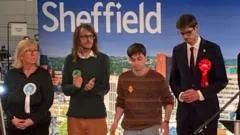
Three South Yorkshire councillors have resigned within months of winning their seats in May's local elections, prompting a wider discussion about the lack of support for newly elected representatives. Green councillor Andy Davies stepped down after unseating Sheffield City Council's Labour leader Tom Hunt, citing the "huge weight of expectation" and its effect on his mental health, while another Sheffield councillor and a Barnsley Reform UK representative also quit their roles. An academic suggests the shifting political landscape, with smaller parties winning unexpected victories, is leaving inexperienced candidates unprepared for office.
Davies won the Walkley ward by just 73 votes before resigning last week, while Reform UK's Kay Hughes gave up her Barnsley seat after only eight weeks, citing personal reasons. A fourth councillor, Mick Lee, has remained in post as an independent after leaving Reform, but has spoken candidly about the challenges of the role given he is autistic, describing the "mental drain" of masking and urging new councillors to seek out supportive peers, since formal emotional support is lacking. Jon Dean of Sheffield Hallam University noted that many candidates from smaller parties never expected to win, leaving them ill-equipped for the demands of the job, a pattern also seen in West Yorkshire's Kirklees Council.
- Three South Yorkshire councillors resigned months after May's elections
- Green's Andy Davies cited mental health and unexpected pressure
- Expert says smaller-party surprise wins leave councillors unprepared
New here? Start with this
Sheffield City Council and Barnsley Council are both facing turnover after May's local elections, with several newly elected councillors standing down within weeks or months of taking office. Those affected include Andy Davies, a Green Party councillor who won a Sheffield ward from the Labour council leader, and Kay Hughes, a Reform UK councillor in Barnsley. Reform UK and the Green Party both made unexpected gains in this year's elections, meaning some winning candidates had little preparation for the realities of the job.
Becoming a councillor is an unpaid or low-paid role that involves handling constituents' problems, attending long meetings and facing public scrutiny, often alongside a full-time job. Unlike MPs, councillors generally have no formal welfare or pastoral support system built into the role, so how well they cope tends to depend on their own resilience or informal help from colleagues.
The resignations have prompted councillors and academics to ask whether local authorities and political parties do enough to prepare and support first-time representatives, particularly those from smaller parties who may not have expected to win. This matters because high turnover can leave wards without effective representation and raises questions about who is willing, or able, to take on local public office in future.
Both sides, in good faith
The strongest fair case each way — we don't pick a winner.
The case for
Those calling for proper induction and pastoral support argue that local democracy is best served when councillors can do their jobs well, and that thrusting newly elected volunteers into scrutiny panels, casework and public criticism with no training, mentoring or mental health provision is a recipe for exactly the kind of early resignations seen in South Yorkshire. They point out that by-elections caused by burnout cost taxpayers money and leave wards unrepresented, and that as smaller parties and independents win seats without the backing of an established party machine, councils and parties alike have a reasonable duty of care to equip these representatives properly, including structured peer support of the kind Mick Lee describes seeking out informally.
The case against
Others would counter that standing for election is a voluntary act undertaken with open eyes about the demands of public office, and that councils already provide induction sessions, officer briefings and access to support services for members who seek them out. From this view, formalising emotional support risks adding cost and bureaucracy to local authorities already under severe financial pressure, and the underlying issue is not a lack of institutional apparatus but that some candidates, particularly from insurgent parties fielding unexpected winners, were not adequately prepared or vetted before standing; resignations, on this reading, may simply reflect individual circumstances or poor fit rather than a systemic failure requiring new provision.