Blizzard takes rare World of Warcraft mount from players as the MMO’s latest crack down on real-money transactions continues
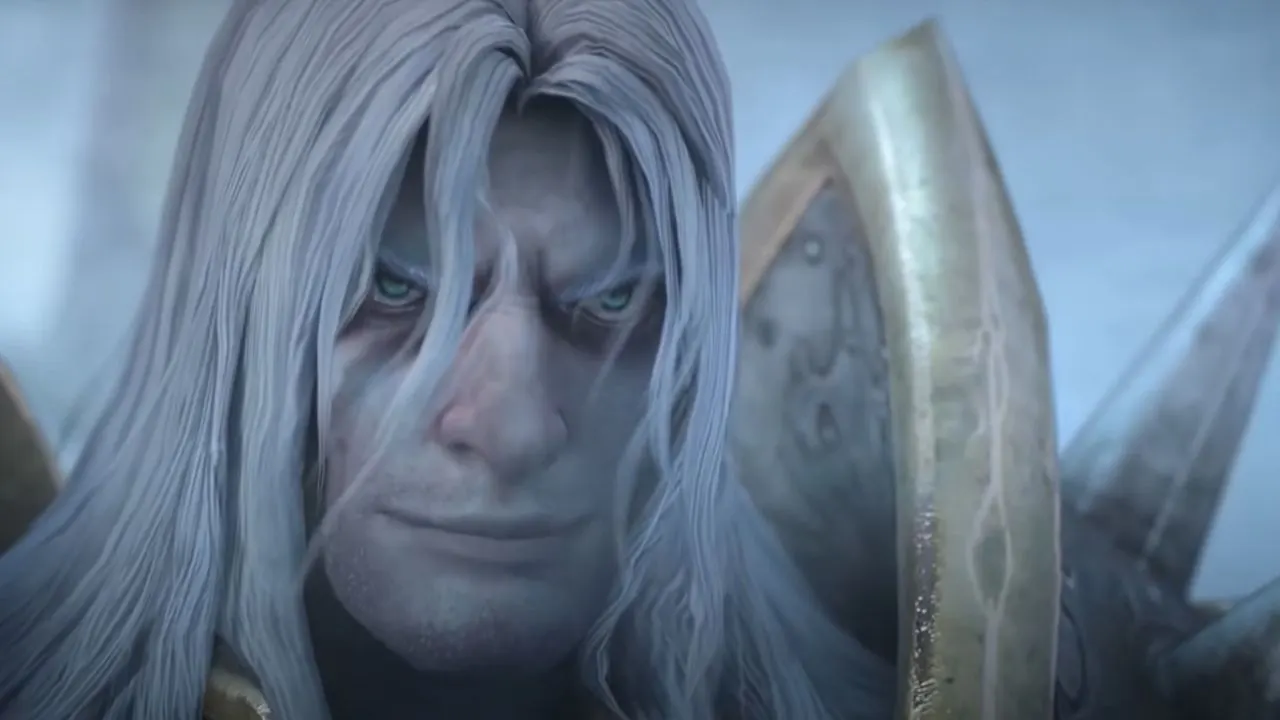
Blizzard has removed a rare World of Warcraft mount from some players as it continues to act against real-money trading. The move matters because it shows the company is willing to reverse in-game rewards obtained through prohibited transactions, not just punish accounts involved.
The action reportedly concerns the recently introduced Pearlescent Goblin Wave Shredder mount, which could be acquired through purchases linked to the game’s trading systems. Blizzard has not publicly detailed the full scale of the removals, but the case follows wider enforcement aimed at players and groups using real money to buy in-game gold, services or items outside authorised channels.
- Blizzard removed a rare WoW mount from some players.
- The action targets prohibited real-money trading.
- Enforcement can include reversing in-game rewards.
New here? Start with this
World of Warcraft is an online game in which players explore a fantasy world, complete quests and collect items, including mounts used to travel around. Blizzard makes the game and sets rules for how players may trade and buy things in it.
Real-money trading means paying real currency for in-game gold, items or services through channels Blizzard does not authorise. The company’s rules restrict these transactions, which can affect how players acquire rewards and use the game’s trading systems.
Both sides, in good faith
The strongest fair case each way — we don't pick a winner.
The case for
Real-money trading fundamentally corrupts the game economy and creates unfair advantages, harming the experience of legitimate players. Blizzard's enforcement—removing items obtained through prohibited transactions—demonstrates that rule violations carry tangible consequences beyond account suspensions, which deters future breaches and protects the competitive integrity essential to the game's long-term health.
The case against
The enforcement raises legitimate fairness concerns, particularly about due process: many players likely obtained the mount through normal gameplay without knowing its origins, yet face retroactive punishment regardless. Additionally, Blizzard's own monetisation models blur the line between legitimate spending and real-money transactions, raising questions about the company's moral authority to enforce such strict policies, especially when the asymmetrical punishment falls primarily on buyers rather than the organised traders perpetrating the scheme.