BBC Seeks To Subpoena Ivanka Trump, Jared Kushner & Don Jr. In Defamation Lawsuit
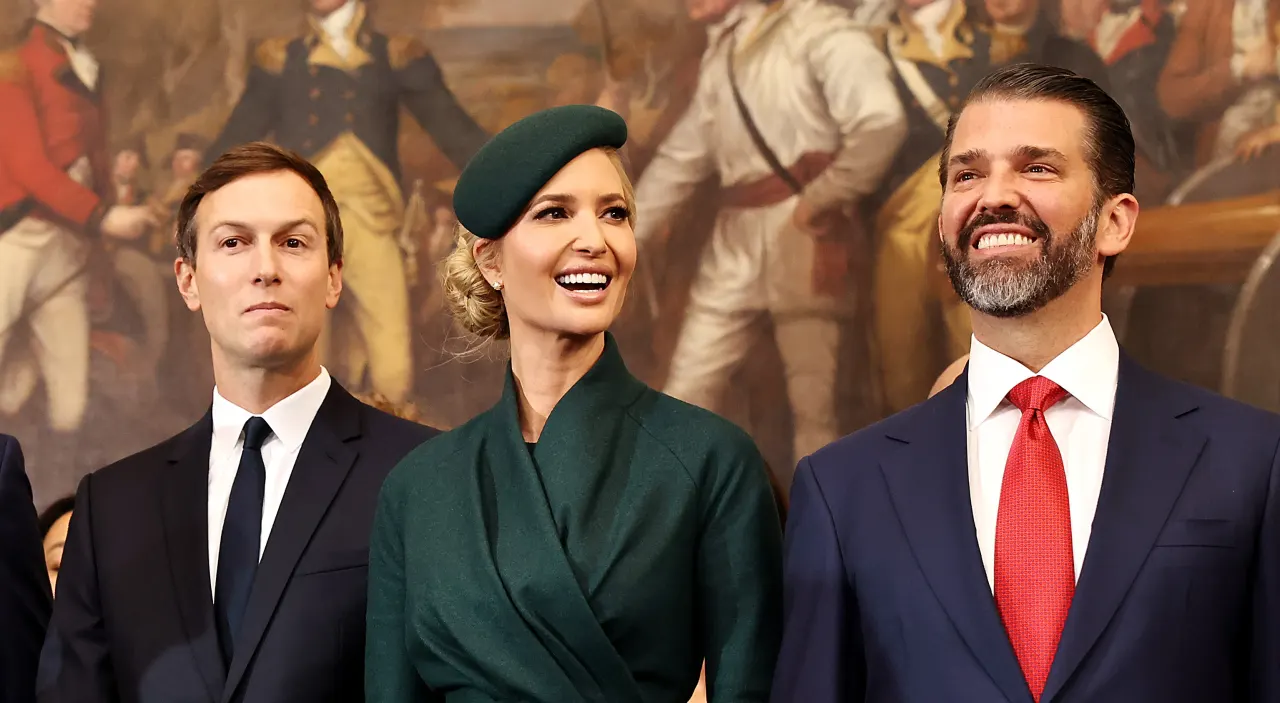
The BBC is seeking court permission to subpoena Donald Trump Jr, Ivanka Trump and Jared Kushner as it defends a $10 billion defamation lawsuit brought by President Donald Trump. The broadcaster argues they may have direct knowledge of Trump’s intentions when he spoke before the January 6, 2021 Capitol attack, an issue central to the dispute over the BBC’s edited presentation of that speech.
The BBC has apologised for an editing error that it says wrongly implied Trump directly called for violence, while Trump alleges the editing was intentional and malicious. It says Donald Jr and Ivanka were present during revisions to the speech, and Kushner drafted a proposed condemnation of violence; the BBC also wants to serve subpoenas by email and certified post after unsuccessful in-person attempts. A trial is scheduled for February 2027.
- BBC seeks testimony from Trump’s children and son-in-law.
- The case concerns editing of Trump’s January 6 speech.
- Trial is scheduled for February 2027.
New here? Start with this
The case concerns a BBC programme that edited parts of Donald Trump’s speech before the attack on the US Capitol on 6 January 2021. The BBC has apologised, saying the edit gave a misleading impression that Trump directly called for violence. Trump says the edit was deliberate and has sued the broadcaster for defamation, seeking $10 billion.
Trump’s adult children Donald Trump Jr and Ivanka Trump, and his son-in-law Jared Kushner, were part of his circle at the time. The BBC says they may know about his intentions and how his speech was handled: it says Donald Jr and Ivanka were present during revisions, and Kushner drafted a proposed statement condemning violence. Trump’s intentions matter because they are central to the dispute over what the edited programme conveyed and whether it was defamatory.
Both sides, in good faith
The strongest fair case each way — we don't pick a winner.
The case for
The BBC characterises this as an editing error in complex reporting on politically sensitive events, which it has transparently acknowledged. Editorial judgment necessarily involves difficult choices about what to include or exclude, and the legal standard for defamation requires proof of deliberate malice rather than honest mistake. Imposing substantial damages for editorial errors, even significant ones, would create dangerous chilling effects on journalism and institutional willingness to report on controversial figures and events.
The case against
Trump contends that the broadcaster deliberately altered his words to fundamentally distort their meaning and damage his reputation when transmitted globally. The editing selectively removed context showing his call for restraint whilst implying he directly incited violence, suggesting either calculated distortion or reckless disregard for truth. Without legal recourse for such material misrepresentation of public statements, major institutions could manipulate political speech without meaningful accountability.