ChatGPT’s stricter teen mode starts rolling out today
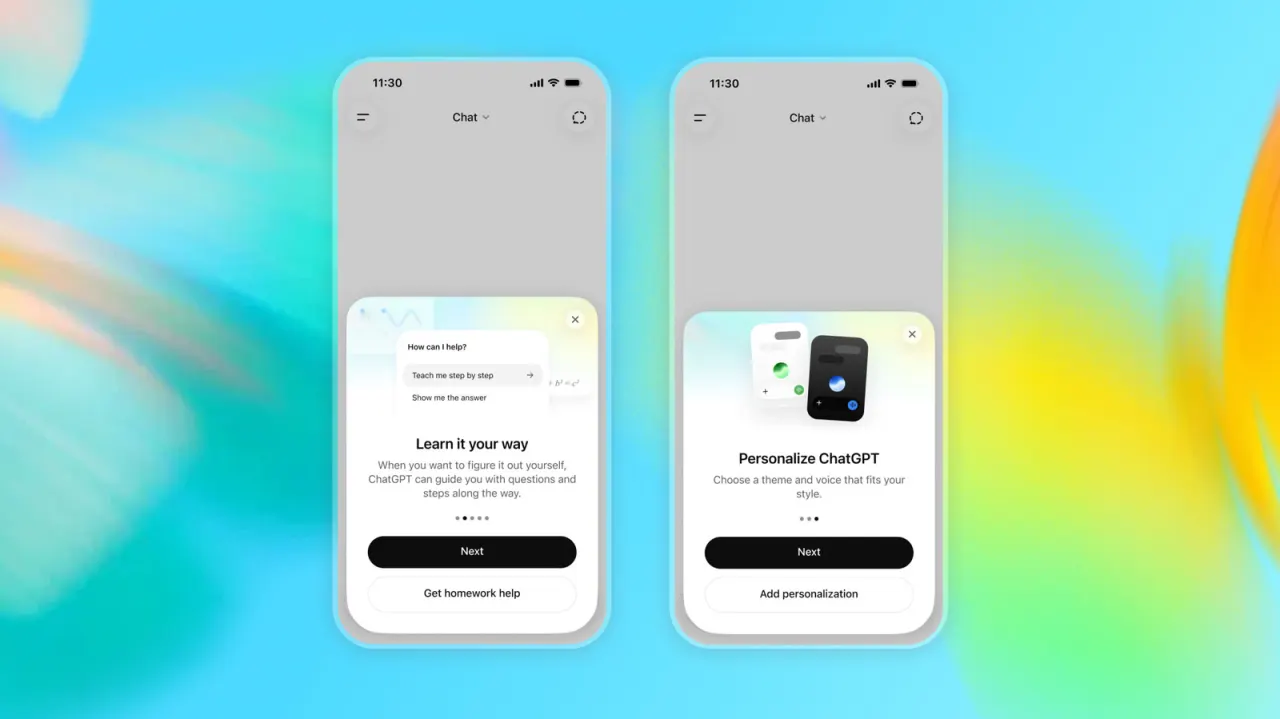
OpenAI has begun rolling out ChatGPT for Teens, a stricter version of its chatbot that will be automatically applied to users the system identifies as being under 18, without requiring them to create a new account. The move follows the company's announcement last September, made after it was sued over allegations that ChatGPT contributed to the death of 16-year-old Adam Raine, that it would build a system to detect and restrict teenage users.
The update is built around learning and safety. On learning, it bundles existing tools such as Study Mode, which guides users to answers via questions rather than giving them outright, alongside new features including "Study Hours" that automatically activate Study Mode at set times chosen by teens or parents, and expanded visual explanations now covering more than 300 topics, up from 70 at launch. On safety, OpenAI is restricting the chatbot from describing itself as a friend or implying it has feelings, increasing the frequency of break reminders, and adding parental notification for policy violations related to eating disorders, building on notifications already sent for violent-threat violations.
- OpenAI begins auto-enrolling teens into a stricter ChatGPT experience.
- New features include Study Hours and expanded topic-visualisation tools.
- Stricter rules stop ChatGPT acting like a friend or companion to teens.
New here? Start with this
ChatGPT is an online chatbot made by OpenAI that responds to questions and requests. Its Study Mode is designed to help people learn by guiding them through a problem with questions, rather than simply giving an answer.
OpenAI has faced scrutiny over how its chatbot affects young people, including a lawsuit alleging that ChatGPT contributed to the death of 16-year-old Adam Raine. The company has said it would develop a way to identify teenage users and apply extra restrictions.
The changes are part of a wider effort to balance young people’s access to learning tools with safeguards around their use of the chatbot. Parents are also involved in some settings and may be notified about certain policy violations.
Both sides, in good faith
The strongest fair case each way — we don't pick a winner.
The case for
Supporters of ChatGPT for Teens argue that adolescents are a particularly vulnerable population whose developing brains may be susceptible to manipulation, and that basic safeguards—preventing the chatbot from mimicking friendship, enforcing breaks, and alerting parents to serious policy violations—represent reasonable harm-reduction measures. They view this as consistent with established principles of child protection online, comparable to restrictions applied to other digital services, whilst still permitting genuine educational use of the technology. The added learning features like Study Mode make the tool more developmentally appropriate by guiding rather than simply answering.
The case against
Critics contend that such restrictions are overly paternalistic and underestimate teenagers' capacity for critical thinking, whilst potentially being ineffective if teens simply use standard ChatGPT accounts or alternative services with less oversight. They question whether the restrictions are evidence-based or primarily performative responses to litigation, noting that causality between ChatGPT's tone and specific harms remains unproven. Many argue that age-verification systems raise privacy concerns and that society would better serve young people through digital literacy education rather than restricting their access to tools that can facilitate learning and creativity.
AI Art Celebrity Culture Entertainment Technology