Motion detection now available on Xfinity routers without new hardware
Developed over time first seen 2 months ago
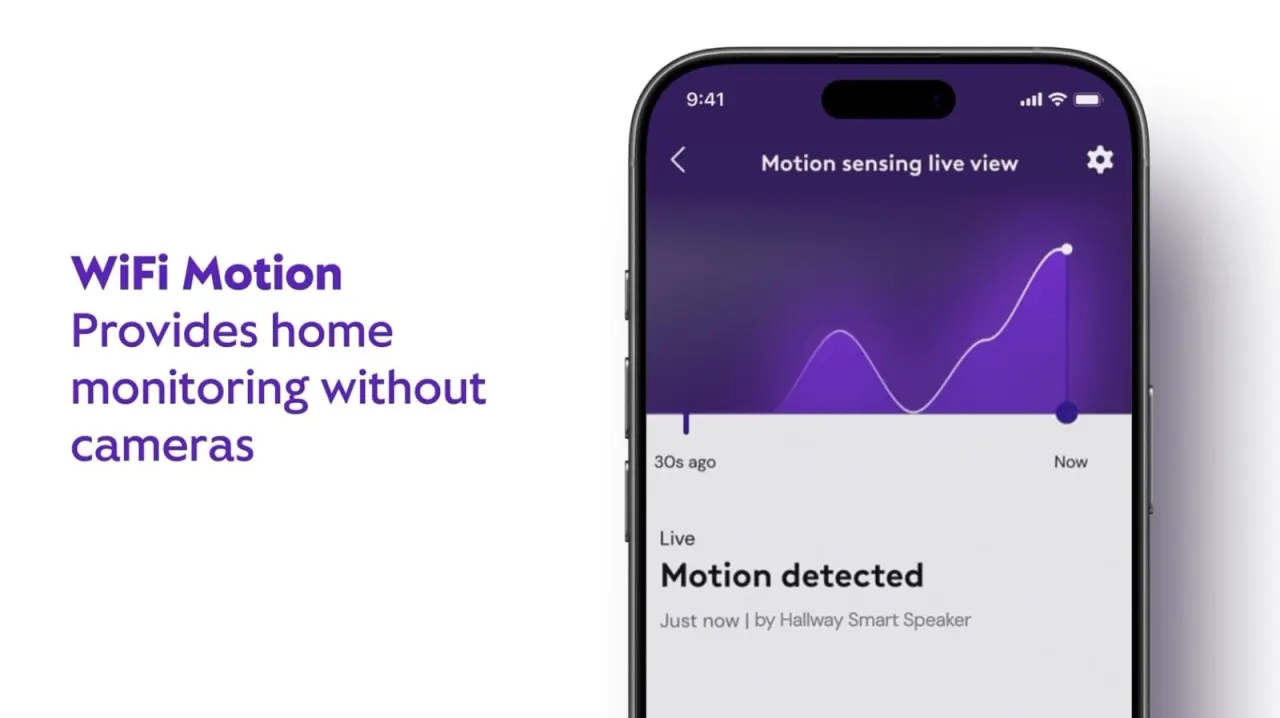
Comcast has activated free Wi-Fi motion sensing on millions of existing Xfinity routers, turning them into activity monitors without requiring customers to buy new hardware. The feature, called WiFi Motion, went live on 18 August via an update to the Xfinity Internet app as part of a new Xfinity Shield platform, which also bundles cybersecurity protection against malware and phishing alongside enhanced parental controls. The move matters because it extends basic home security monitoring to any customer with a compatible router at no extra cost, potentially reducing reliance on separate motion-sensor or camera purchases, and reflects growing confidence in Wi-Fi sensing technology after earlier, less reliable attempts by rivals.
WiFi Motion works by detecting disruptions in the Wi-Fi signal between a customer's Xfinity gateway and connected devices, sending alerts through the app much like a standalone sensor, and requires an XB7 gateway or newer. It is opt-in and integrates with new "Home Watch", "Away Watch" and "Dark Watch" modes for tailoring monitoring to different situations. Comcast said it has spent three years refining the underlying algorithms, and the launch follows similar but discontinued or niche efforts from Linksys, Wiz and Philips Hue. A separate paid tier, Xfinity Shield Select, adds an upgraded indoor camera with AI-powered alerts for people, pets, vehicles and packages.
- Xfinity routers gain free built-in motion-sensing via app update
- No new hardware needed; works on XB7 gateways or newer
- Part of new Xfinity Shield security and parental-control platform
New here? Start with this
Comcast is the parent company of Xfinity, one of the largest broadband and home internet providers in the United States. The Xfinity app, which customers already use to manage their internet service, is where this new feature has appeared, and it works through the router (or "gateway") that Comcast supplies to households as part of their broadband package.
The idea builds on a simple principle: when something moves near a Wi-Fi router, it slightly disturbs the wireless signal, and that disturbance can be detected and turned into an alert, similar to how a dedicated motion sensor works. This means functionality that would normally require buying separate smart-home security equipment can instead be delivered through hardware people already have in their homes.
This fits into a broader trend of internet providers trying to offer more than just a connection, bundling in security and smart-home features to make their service harder to switch away from and to compete with dedicated home security and camera companies. It also raises familiar questions about data and privacy that tend to accompany any technology capable of detecting activity inside a person's home.
Both sides, in good faith
The strongest fair case each way — we don't pick a winner.
The case for
Advocates for the rollout point out that it gives millions of households a genuine security upgrade at no extra cost and without buying new hardware, which is particularly valuable for those who could not otherwise afford a dedicated monitoring system. Because it relies on Wi-Fi signal disruption rather than a camera, they argue it offers a lighter-touch, more privacy-respecting form of monitoring than video-based alternatives, while still being useful for detecting intruders or checking on family members. The feature is opt-in and configurable through modes such as Home, Away and Dark Watch, which supporters say puts the customer firmly in control of when and how it is used. Three years of algorithm refinement, in this view, reflects a considered attempt to make the feature reliable rather than a rushed gimmick.
The case against
Sceptics counter that an internet provider expanding into home occupancy monitoring raises legitimate concerns, since Comcast already has deep visibility into a household's network activity, and adding motion inference deepens the profile it can build of when people are home, asleep or away. They note that features introduced as free and opt-in can be a foothold for later upselling, pointing to the paid Xfinity Shield Select tier with camera-based AI alerts as evidence the company sees this as a funnel towards further monitoring products. There are also practical doubts about a Wi-Fi-based system's accuracy compared with purpose-built sensors or cameras, meaning customers may place unwarranted trust in alerts prone to false positives or missed events. Finally, some worry that bundling security features into a proprietary gateway locks customers into Xfinity's ecosystem rather than allowing them to choose independent, potentially more transparent, security providers.
Coverage
- Engadget — Comcast’s new home protection setup uses Wi-Fi to detect motion
- The Verge — Comcast is turning millions of its routers into motion detectors