ABC sues FCC alleging editorial retaliation through licensing review
Developed over time first seen 2 months ago
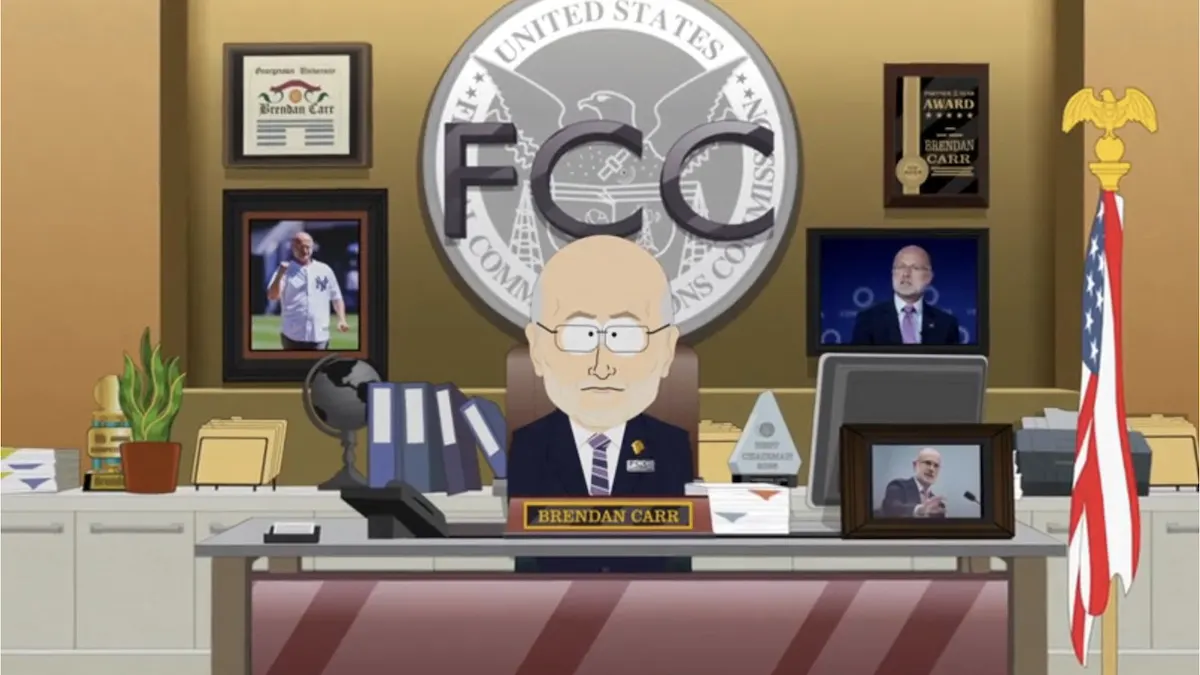
ABC has filed a lawsuit against the Federal Communications Commission, accusing the regulator of running a "retaliatory campaign" against the network in breach of its First Amendment rights. The suit, first reported by The New York Times, marks the culmination of an escalating dispute in which ABC directly challenges the FCC's use of its broadcast licensing authority to pressure the network over its editorial decisions.
The lawsuit followed the FCC's early review of ABC's local broadcast licences, which the regulator justified by citing the network's internal diversity and inclusion practices. ABC's lawyers contend the scrutiny came after President Trump repeatedly criticised ABC programming, including Jimmy Kimmel Live and The View, and pushed for the shows to be pulled off air. In its filing, ABC warned that "the retaliation against ABC is a signal to every media company in the country: accommodate the Administration's view of what news coverage should look like or pay the price," framing the case as a test of press freedom against government pressure.
- ABC sued the FCC over alleged First Amendment retaliation
- Dispute followed FCC's review of ABC's broadcast licences
- ABC says review followed Trump's criticism of its shows
New here? Start with this
ABC has filed a lawsuit against the Federal Communications Commission (FCC), the US government body that regulates broadcasters and oversees their licences. The case argues that the FCC has been using its licensing powers to punish ABC over editorial decisions, which ABC says breaches free speech protections under the US Constitution's First Amendment.
The dispute centres on the FCC opening an early review of ABC's local broadcast licences, citing the network's diversity and inclusion policies as justification. ABC contends this review followed repeated public criticism from President Trump of its programming, including Jimmy Kimmel Live and The View, and his calls for those shows to be cancelled. This builds on an earlier complaint from ABC's parent company, Disney, taking the disagreement a step further by directly suing the regulator.
The case matters because it raises questions about how much influence a government agency and the White House can exert over what broadcasters air, given that the FCC controls the licences stations need to operate. Media organisations and press freedom advocates are watching closely, since the outcome could affect how other broadcasters handle similar political pressure in future.
Both sides, in good faith
The strongest fair case each way — we don't pick a winner.
The case for
Advocates for ABC's position argue that the First Amendment exists precisely to prevent government officials from using regulatory levers to punish or intimidate broadcasters over editorial choices they dislike. They point to the sequence of events — public criticism from the President over specific programmes followed swiftly by a licensing review citing unrelated diversity practices — as evidence that the stated justification is pretextual, and warn that if regulators can informally coerce compliance by dangling a network's licence, no broadcaster's editorial independence is truly safe. On this view, robust judicial pushback is essential to preserve a free press capable of covering government critically without fear of reprisal.
The case against
Those defending the FCC's actions would argue that the agency has long-standing statutory authority to review broadcast licences against public interest obligations, including diversity and inclusion commitments that stations themselves have adopted, and that conducting such a review is not inherently retaliatory simply because it follows political criticism. They would caution against assuming motive from timing alone, noting that regulators routinely examine compliance matters that coincide with public controversy, and that treating any licensing scrutiny as presumptively unconstitutional could hamper legitimate oversight of broadcasters who hold licences to use public airwaves under conditions attached to that privilege.
Coverage
- The Verge — ABC sues the FCC over Trump and Carr’s campaign of threats
- Consequence — ABC Sues the FCC