Health news and discussion on TalkFuse.
Games are the most optimistic way I have found of looking at the world
After becoming a parent, the author experienced mounting anxiety that evolved from fear of concrete dangers to worry about their daughter's emotional vulnerability. The anxiety crystallised into an obsessive concern that inevitable childhood disappointments—like a treasured toy breaking—would permanently damage their child, a fixation the author recognises was rooted in their own psychological need to protect against pain.
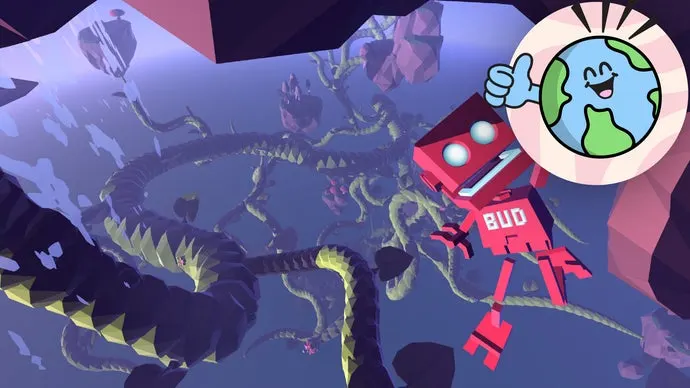
The breakthrough came through playing Grow Home, a platformer where a small robot explores a foreign world whilst a distant computer monitors its safety. The author discovered the game's tension between independence and protection mirrored the psychological work required for healthy parenting: accepting that children must encounter setbacks to grow. This realisation, extended to how games more broadly present optimistic, measured responses to adversity, helped the author reframe their anxiety and move beyond the impulse to shield their daughter from necessary struggle.
In short
- Parent struggled with escalating anxiety after having a child, eventually fixating on protecting their daughter from emotional harm like broken toys
- Found resolution through playing Grow Home, a platformer where the player's conflicting roles—guiding exploration whilst ensuring safety—mirrored healthy parenting
- Reflects on how video games offer an optimistic framework for understanding life's inevitable challenges and disappointments
Explained simply
Becoming a parent can bring worries about a child’s safety and happiness. The author describes how those worries grew into a fear that even small disappointments might cause lasting harm, and recognised that this fear was also about their own wish to avoid pain.
The author found a new way to think about this through Grow Home, a game in which a small robot explores while a computer watches over it. Its story raises a familiar question: how can someone offer care and protection while still allowing another to act independently?
That tension matters because children learn and grow through experiences that cannot all be controlled or prevented. The author sees games as offering an optimistic way to face difficulty: setbacks can be part of moving forward, rather than proof that everything has gone wrong.