Lewes derailment: images show track defect before incident on hottest day
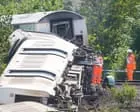
Network Rail and Southern owner GTR have apologised after an interim investigation into last week's train derailment near Lewes, East Sussex, found that a "track geometry irregularity" existed on the approach to the crash site before the incident occurred. The Rail Accident Investigation Branch (RAIB) published CCTV imagery appearing to show the track had buckled, which can happen in extreme heat, on a day when temperatures reached around 27C near the site. The derailment injured 30 people and has prompted safety concerns about Britain's rail infrastructure coping with sustained hot weather.
The train, carrying about 150 passengers, was travelling at roughly 65mph, within the 70mph limit, when three carriages came off the track and ended up on their side. Investigators noted the embankment is made of clay, which is sensitive to moisture changes, though found no evidence of a significant slip, and said they had received prior reports of "rough riding" from other trains on the line. The incident occurred on 13 August during the UK's fifth heatwave of the summer, a day before a second, less serious derailment involving a Greater Anglia train at Wickford, Essex. The Lewes-to-Haywards Heath line is expected to stay closed until at least 26 August to allow for recovery of the train and preservation of evidence.
- Track fault visible before Lewes derailment that injured 30 people
- Heat-buckled rail suspected; temperatures hit about 27C that day
- Line closed until at least 26 August for recovery and investigation
New here? Start with this
Railways need rails to stay in the right position and shape for trains to travel safely. Hot weather can cause rails to expand and buckle, while changes in moisture can affect the ground beneath them; clay is particularly sensitive to moisture changes.
The Rail Accident Investigation Branch examines railway accidents, while Network Rail maintains most of Britain’s tracks. Govia Thameslink Railway, known as GTR, runs Southern services, including trains in the Lewes area. Their roles help explain why the investigation considers both the condition of the track and what was known about it.
The incident has renewed attention on how Britain’s railways are monitored and maintained during hot weather. Understanding what caused the derailment may help investigators and rail operators assess how to reduce the risk of similar incidents.
Both sides, in good faith
The strongest fair case each way — we don't pick a winner.
The case for
This represents a failure in operator responsibility and maintenance standards. Network Rail and GTR had received prior reports of rough riding on the line, indicating a known problem they failed to properly investigate or remedy. As professional operators responsible for passenger safety, they have a duty to maintain track integrity and implement appropriate precautions during extreme heat conditions. Railway operators in hotter climates manage similar challenges successfully, demonstrating that with better systems, protocols, and investment in maintenance, this preventable tragedy could have been avoided.
The case against
The UK's railway infrastructure was designed for historical climate conditions and is now facing unprecedented heat events that expose systemic vulnerabilities. Rather than focusing on operator blame for failures in extreme conditions they weren't designed for, this should be recognised as a national challenge requiring systematic investment in climate-resilient infrastructure. Similar to how other countries with hotter climates have adapted their systems, Britain needs long-term policy commitment to modernising rail networks for changing climate conditions. The solution lies in infrastructure resilience and investment, not individual operator accountability for failures in unprecedented circumstances.