Culture news and discussion on TalkFuse.
What’s Next For ABC Vs. FCC: Lawsuit Looks To Put Trump Attacks On Trial, But The First Battle May Be About Timing
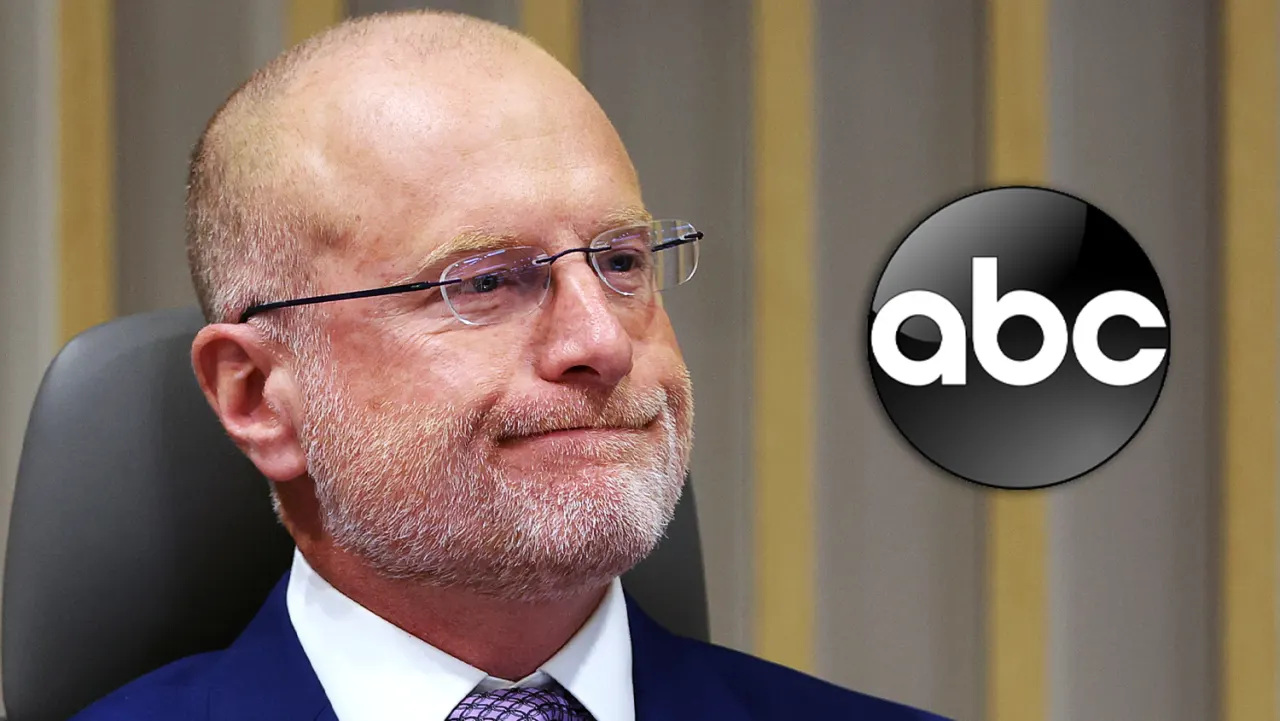
ABC has sued the Federal Communications Commission, arguing that the regulator's investigations and license-review actions against the network form part of a Trump administration campaign to punish it for editorial decisions, in violation of the First Amendment. The case could become a significant test of the FCC's regulatory powers versus free speech protections, though its first stage is likely to focus on procedural questions rather than the underlying free-speech claims.
The dispute stems from the FCC's decision in late May to order early renewal reviews of ABC's eight owned stations, years ahead of schedule, which the agency said was prompted by an investigation into the network's diversity, equity and inclusion practices. ABC contends this is a pretext to retaliate against parent company Walt Disney Co. over programming choices, citing Donald Trump's public attacks and comments from FCC chairman Brendan Carr. Judge Loren L. AliKhan has scheduled a briefing timetable for next month and a hearing in October to decide whether to grant ABC a temporary restraining order, while the FCC is expected to argue the lawsuit is premature. The move has drawn support from First Amendment advocates and FCC Democrat Anna Gomez, while critics such as lawyer Daniel Suhr have dismissed it as an attempt to derail a legitimate investigation.
In short
- ABC sues FCC, alleging retaliation over editorial content violates First Amendment
- Dispute follows FCC's early, unusual review of ABC's broadcast licences
- Judge sets October hearing; FCC likely to argue case is premature
Steelman: both sides, in good faith
The strongest fair case each way — we don't pick a winner.
The case for
Those supporting ABC argue that the timing of early licence renewals, combined with documented public attacks from Trump administration officials and comments from FCC leadership, strongly suggests the investigations are a pretext for retaliating against editorial decisions rather than genuine regulatory concerns. They contend that allowing the government to weaponise its regulatory powers against broadcasters based on their programming sends a chilling message to the free press and fundamentally undermines First Amendment protections.
The case against
Those supporting the FCC's position argue that regulatory agencies must retain legitimate discretion in conducting oversight of broadcast standards, and that early licence reviews represent a proper exercise of the FCC's authority. They contend that ABC has not yet demonstrated that the investigation's motivation was retaliatory rather than genuinely regulatory, and that the lawsuit amounts to an attempt to derail proper investigations before their substantive merits have been examined.
Explained simply
The Federal Communications Commission (FCC) regulates US broadcasters and issues licences to stations. ABC, owned by the Walt Disney Company, runs eight local television stations; their licences are normally reviewed on a set schedule, and the FCC has ordered reviews ahead of that timetable.
The dispute concerns whether the agency is pursuing a regulatory inquiry or using its powers to punish ABC for its editorial choices. US broadcasters have First Amendment protections for freedom of speech and the press, while the FCC can investigate whether stations meet its rules. The case therefore raises questions about where regulation ends and retaliation for speech begins.
The first steps may turn on court procedure, including whether ABC can ask a judge to pause the reviews before the wider dispute is decided. The outcome could affect how the FCC uses its authority and how broadcasters challenge government actions they say are tied to their journalism or programming.
Art Business Culture Elections Markets Politics