Apple Music Will Also Now Label AI-Generated Songs
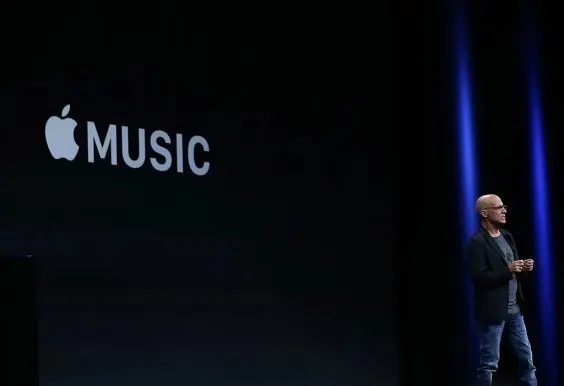
Apple Music will begin labelling AI-generated songs "later this year," joining a growing list of streaming platforms responding to the rise of generative AI in music. According to industry emails reviewed by The Hollywood Reporter and Variety, the tags will appear as "Made With AI Labels," requiring content providers to add AI Transparency Tags wherever AI has been used to create a substantial portion of a track, including material primarily generated by AI platforms.
Apple has not specified an exact rollout date, and the announcement confirms reports first made in March. It follows similar moves across the industry: Deezer and TIDAL already label fully AI-generated music, while Bandcamp and Qobuz ban it outright, and Beatport recently said it would ban fully AI-generated songs while tagging AI-assisted ones. Spotify has instead announced a forthcoming "AI Persona" feature, whose details remain unclear, while Amazon Music has yet to address the issue.
- Apple Music will label AI-generated songs later this year
- Content providers must add "AI Transparency Tags" to qualifying tracks
- Move follows similar steps by Deezer, TIDAL, Qobuz, Bandcamp and Beatport
New here? Start with this
Generative AI tools can produce music from written prompts, recordings and other inputs. In music, AI may create a whole track or contribute elements such as vocals, instruments or lyrics, making it harder to tell how much of a song was made by a person.
Streaming services decide what information listeners see about tracks and what rules apply to music uploaded by artists and distributors. Some services label AI-made music, while others have banned fully AI-generated tracks; approaches to music made with a mix of human and AI work also vary.
These choices matter to musicians, listeners and distributors because AI raises questions about credit, consent and how music is presented. Labels could help listeners understand how a track was made, while leaving platforms to decide what counts as substantial AI use.
Both sides, in good faith
The strongest fair case each way — we don't pick a winner.
The case for
Consumers have a legitimate right to know what they are listening to, just as they expect transparency in other consumer products. Musicians who develop their craft deserve recognition distinct from algorithmic output, and labelling protects the creative economy from AI-generated content flooding platforms without distinction, potentially devaluing human artistic work and displacing professional creators who depend on music sales.
The case against
AI is fundamentally a tool, no different from synthesisers or digital production software that previously disrupted music creation. Labelling creates artificial stigma around a legitimate creative medium and ignores that most contemporary music uses AI somewhere in production. The philosophical line between AI-generated and human-created is increasingly blurred, and overly restrictive approaches stifle innovation and artistic experimentation whilst preventing emerging creators from accessing democratised music-making tools.