Chris Aronson seeks $4m over Paramount dismissal and severance
Developed over time first seen 2 months ago
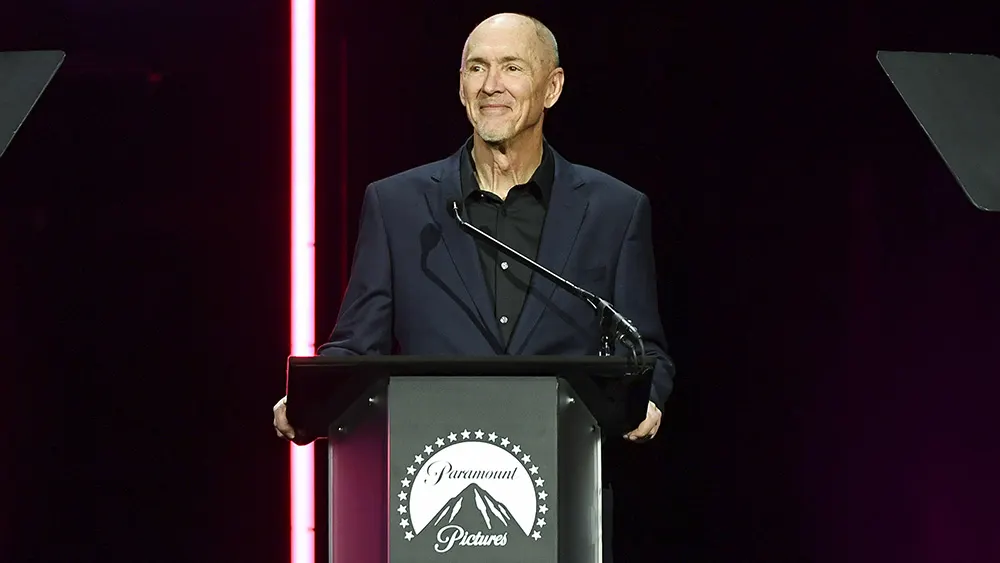
Chris Aronson, Paramount's former head of domestic distribution, filed a lawsuit accusing the studio of reneging on a promised severance payment while also alleging age discrimination over his dismissal. Aronson, who was 69 at the time, was let go last September during the executive shake-up that followed the Skydance merger, and claims he was told he would be fully paid out on a contract extension running to December 2028 — a promise Paramount later broke by capping his payout at two years. He is seeking roughly $4 million in economic damages plus punitive damages, arguing he was pushed out because of his age and replaced by a younger executive, and that Paramount's recent layoffs have disproportionately hit staff aged 55 and over.
The suit, filed in Los Angeles Superior Court, states Aronson was informed on 29 September 2025 that he was being let go "without cause," with a consulting arrangement floated but never finalised; it was only after he departed in December that lawyers flagged a clause limiting his severance to two years, leaving him $1.3 million short of the full sum he says he was owed. His lawyers contend Paramount is misapplying an IRS provision governing severance timing. Aronson, hired in 2019 after a long career at Fox, had overseen releases including "Top Gun: Maverick" and instalments of "Mission: Impossible," "A Quiet Place" and "Sonic the Hedgehog"; he has since been replaced by Shaun Barber, formerly of Lionsgate. Paramount had not responded to a request for comment as of the article's publication, and the matter now rests with the Los Angeles court.
- Ex-Paramount distribution chief Chris Aronson sues over severance and age bias
- Alleges $1.3m shortfall on promised payout through 2028
- Seeking about $4m in damages plus punitive damages
New here? Start with this
Chris Aronson spent decades in Hollywood distribution, first at Fox and then, from 2019, as Paramount's head of domestic distribution, where he oversaw the release of major films including "Top Gun: Maverick" and the "Mission: Impossible" series. He was dismissed last September as part of a broader executive reshuffle that followed Paramount's merger with Skydance Media, a deal that brought sweeping leadership and staffing changes to the studio.
Aronson has now taken legal action against Paramount, combining a new claim over unpaid severance with an existing allegation of age discrimination relating to his dismissal. The dispute centres on how much he is owed under a contract extension he says ran until December 2028, and on his assertion that he was replaced by a younger executive as part of wider job losses that he claims have hit older staff disproportionately.
The case matters both as a personal financial dispute, given the scale of the sums involved, and as a window into the upheaval inside Paramount since its merger with Skydance, which has reshaped the studio's leadership and workforce.
Both sides, in good faith
The strongest fair case each way — we don't pick a winner.
The case for
Aronson's advocates would argue he was given clear verbal assurances at the time of his dismissal that he would be paid out in full through to December 2028, only for lawyers to invoke a technical IRS provision capping payments at two years after he had already left the company and lost any leverage to negotiate. They would also point to the pattern of a 69-year-old executive with a long, successful track record being replaced by a markedly younger hire, amid layoffs that reportedly skewed heavily toward staff aged 55 and over, as precisely the kind of circumstantial evidence age-discrimination law is designed to capture. On this view, companies undergoing mergers should not be able to make assurances to long-serving executives and then retreat behind fine print once those individuals have already departed.
The case against
Paramount's defenders would argue that employers are entitled to rely on the actual written terms of severance agreements and applicable tax law rather than informal verbal assurances made amid the upheaval of a major merger, and that a two-year payout cap tied to an IRS provision may reflect genuine compensation-compliance requirements rather than any attempt to shortchange Aronson. They would also note that large-scale reorganisations following a merger routinely reshuffle leadership across many roles for business reasons unrelated to age, so an isolated personnel change is not necessarily evidence of discriminatory intent. Since Paramount has not yet had the opportunity to respond to the lawsuit, a fair-minded observer would also caution against treating one side's allegations as established fact before the company's account is heard.
More coverage
Art Business Companies Culture
Read the full article at the source →
Originally published by Variety as “Chris Aronson Files $4 Million Age Discrimination Suit Over Ouster at Paramount”.