5 Times Disney’s Sci-Fi Ambitions Crashed and Burned at the Box Office
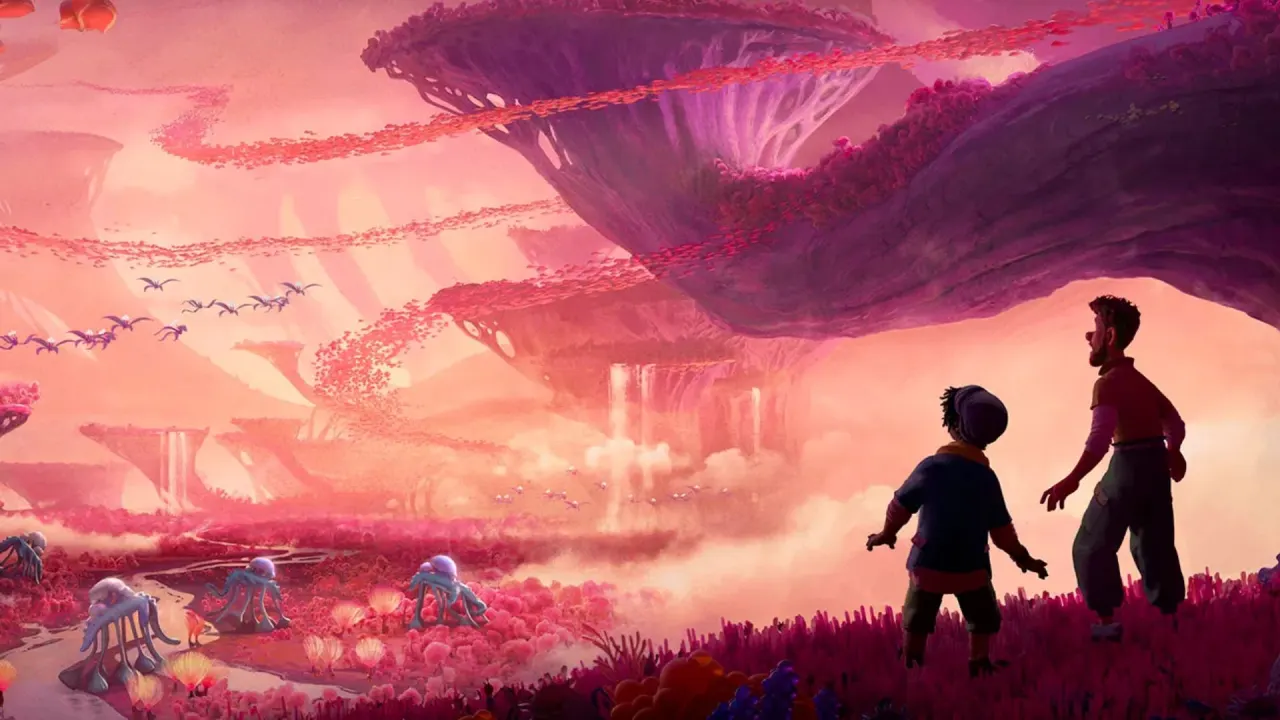
Polygon runs down five big-budget science fiction films that failed to earn back their costs for Disney, highlighting how blockbuster releases with major stars and cutting-edge effects can still turn into financial disasters once production and marketing spend is counted. The piece argues these were not minor disappointments but tentpole projects meant to launch new franchises or revive beloved characters, only for audiences to stay away.
– Lightyear (2022): Pixar's Buzz Lightyear spin-off, voiced by Chris Evans, grossed $226.4 million worldwide against a reported $200 million budget, losing Disney around $106 million. – Mars Needs Moms (2011): the Robert Zemeckis-produced motion-capture film cost roughly $150 million to make but earned only $39.2 million globally, prompting a $70 million write-down and the closure of Disney's ImageMovers Digital studio. – Tomorrowland (2015): an original sci-fi adventure from director Brad Bird and writer Damon Lindelof starring George Clooney, intended to launch a new franchise, also underperformed at the box office. – John Carter and Strange World are named as two further entries among Disney's costliest sci-fi flops, though full details were not included in the excerpt.
- Disney's sci-fi blockbusters have repeatedly flopped despite huge budgets and star power.
- Lightyear lost about $106 million; Mars Needs Moms lost even more.
- Tomorrowland, John Carter and Strange World also named among the failures.
New here? Start with this
Disney is Hollywood's biggest studio, and science fiction has long been one of the riskiest genres for big-budget films, since sprawling worlds, special effects and star casts often carry enormous costs. Polygon's piece looks back at several occasions when Disney bet heavily on original or franchise-building sci-fi projects, only for the films to bring in far less at the cinema than they cost to make and market.
The examples span more than a decade, from Mars Needs Moms in 2011 through Tomorrowland in 2015 to Lightyear in 2022, and include contributions from acclaimed filmmakers such as Robert Zemeckis and Brad Bird, as well as big-name stars like George Clooney and Chris Evans. In some cases the fallout went beyond a single film's losses, including a studio closure and a significant financial write-down.
The wider context is the entertainment industry's ongoing scrutiny of how studios like Disney weigh the cost and risk of blockbuster film-making, particularly when ambitious sci-fi projects are meant to launch new franchises but fail to connect with audiences.