Trump urges Myrtle Beach crowd to back Darline Graham
Developed over time first seen 2 months ago
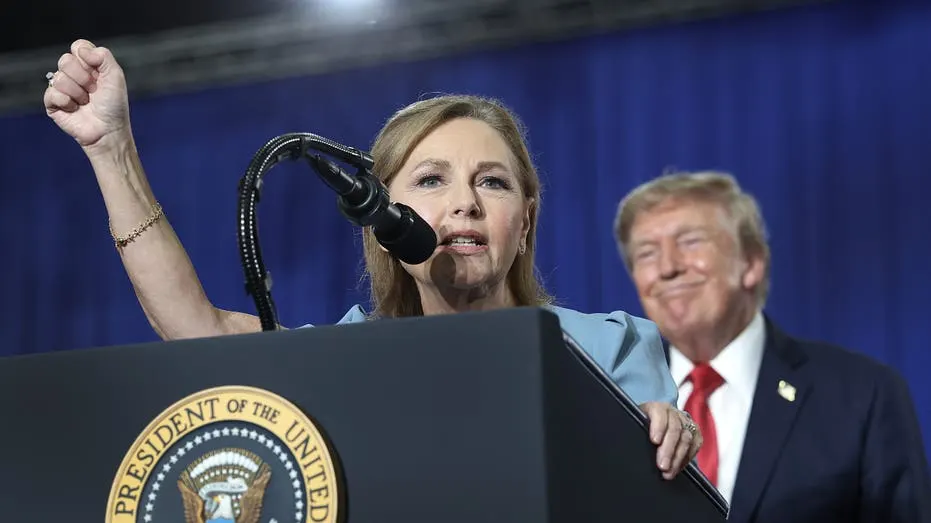
President Trump used a campaign rally in Myrtle Beach, South Carolina, to urge supporters to "pretend I'm on the ballot," as he threw his personal weight behind Darline Graham, a Republican candidate from a well-established political family, ahead of a primary runoff. The remark highlighted how central Trump's personal endorsement remains to Republican primary contests, with the president effectively substituting his own popularity for that of a lesser-known local candidate in a bid to swing a tight race.
At the Friday-night rally, Trump repeatedly framed his own influence as decisive, telling the crowd to mobilise for both the runoff and the wider midterm elections. During his speech, a protester who interrupted him was met with a dismissive quip before being removed by security, and Trump continued to joke about effectively standing in for the candidate on the ballot, reinforcing the extent to which the contest had become a proxy vote on his own standing rather than a referendum on local issues.
- Trump rallied in Myrtle Beach for candidate Darline Graham.
- He told the crowd to "pretend I'm on the ballot."
- A rally protester was mocked, then removed by security.
New here? Start with this
President Trump appeared at a rally in Myrtle Beach, South Carolina, to support Darline Graham, a Republican candidate contesting a primary runoff. In American elections, primary contests decide which candidate a party will put forward, and a runoff happens when no candidate wins outright, forcing a second vote between the top contenders. Trump's endorsement carries significant weight in Republican primaries, and his rallies are a common way for him to try to swing local races towards candidates he favours.
Darline Graham is linked to Senator Lindsey Graham, a prominent South Carolina Republican, placing her within an established political network in the state. The runoff and the broader midterm elections later this year will help determine the composition of Congress and other elected offices, which is why endorsements and campaign appearances from national figures like Trump are seen as significant in shaping local outcomes.
This story matters because it illustrates the ongoing influence Trump wields over Republican primary politics even when he is not himself a candidate, and shows how his public appearances are used to mobilise voters and support allied candidates in competitive races.
Both sides, in good faith
The strongest fair case each way — we don't pick a winner.
The case for
Supporters of Trump's high-profile involvement argue that a president's endorsement is a legitimate and time-honoured tool of party politics, helping voters identify candidates who will govern in step with a shared agenda. They see his rally appearances and rhetorical flourishes, such as urging supporters to "pretend I'm on the ballot", as effective mobilisation that boosts turnout in what might otherwise be a low-attention runoff. For these voters, leaning on a popular figure's brand to unify the base and secure a working majority is simply smart, standard campaigning rather than anything untoward.
The case against
Critics, including some within Republican ranks, worry that campaigns built so heavily around one individual's persona can crowd out scrutiny of a candidate's own record, priorities and fitness for office, particularly when that candidate hails from an established political family and might otherwise need to earn support on personal merit. They argue that turning a local primary into an implicit referendum on a single leader risks reducing voters' focus on substantive local issues and concentrates political power in ways that sit uneasily with a healthy, pluralistic party system. For them, treating a protester's interruption as a punchline further illustrates a rally style more focused on spectacle and loyalty than on open debate.
Coverage
- Fox News — Trump mocks protester at Myrtle Beach rally for Graham
- The Hill — President makes final push for Darline Graham in trip to ‘Trump country’
- Daily Mail — Trump cheekily tells crowd in South Carolina to ‘pretend I’M on the ballot’ in scramble to save legacy GOP candidate
Culture Elections Geopolitics Government Politics Travel World