Andy Burnham faces claims he breached MP rules by failing to declare £6,600 party in Japan
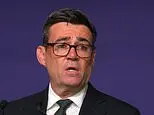
Andy Burnham, the Mayor of Greater Manchester, is facing allegations that he breached parliamentary rules by failing to declare a lavish party held in Japan, according to the Daily Mail. The claims centre on transparency obligations that apply to MPs and former MPs regarding gifts, hospitality and benefits received, and add to a period of scrutiny for Burnham amid other reported controversies.
The party in question is said to have cost £6,600, though the article does not specify who hosted it, when it took place, or the precise rule allegedly breached. The report emerged alongside other unrelated stories about Burnham circulating at the same time, including backbench warnings over a potential snap general election and pressure over a "climate tsar" appointment, though full details of the Japan party allegation itself were not available in the source material.
- Andy Burnham accused of not declaring a £6,600 Japan party.
- Claims allege a breach of MP transparency/declaration rules.
- Comes amid wider scrutiny of Burnham's political conduct.
New here? Start with this
Andy Burnham is the elected Mayor of Greater Manchester and a former Labour MP, having previously served as a cabinet minister under Gordon Brown. As a former MP, he remains subject to parliamentary rules requiring the declaration of gifts, hospitality and other benefits received while he held office, which are recorded in a public register overseen by Parliament's standards system.
The claims reported here concern a party said to have cost £6,600, held in Japan, which Burnham is alleged not to have declared as required. No further detail has yet emerged about who organised or paid for the event, when it took place, or exactly which rule is said to have been broken.
The story matters because MPs and former MPs are expected to be transparent about gifts and hospitality so the public can judge whether outside interests might influence their conduct. Burnham is a prominent political figure who has been mentioned as a possible future Labour leadership contender, so allegations touching on his conduct while in Parliament are likely to attract wider political scrutiny.
Both sides, in good faith
The strongest fair case each way — we don't pick a winner.
The case for
Those raising this matter argue that transparency rules for MPs and former MPs exist precisely to ensure the public can see who is influencing politicians through gifts and hospitality, regardless of the value involved or how the recipient later describes the event. A party costing £6,600 is a significant sum, and if it falls within the scope of registrable benefits, failing to declare it promptly undermines a system that depends on consistent compliance to retain public confidence. Advocates of strict enforcement would say that rules cannot be treated as optional based on a politician's stature or intentions, and that scrutiny of such lapses, wherever they originate, serves the broader public interest in clean politics.
The case against
Burnham's defenders would point out that the allegation, as reported, lacks basic details such as who hosted the event, when it occurred, or precisely which rule is said to have been breached, making it difficult to judge fairly without fuller context. They might also note that innocent administrative oversights or differing interpretations of what must be declared are common and not evidence of deliberate wrongdoing, and that the story's appearance alongside a cluster of other critical pieces about Burnham raises reasonable questions about whether this is part of a coordinated effort to damage his reputation rather than a straightforward, dispassionate compliance concern. On this view, the matter deserves clarification through proper channels before being treated as a confirmed breach.
Art Asia Culture Cybersecurity Government Politics Technology World