Pauline Hanson in damage control as One Nation MP goes rogue with migration plan responsible for the conservative party’s popularity surge
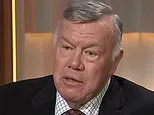
Pauline Hanson has moved to contain confusion within One Nation after MP David Farley gave a conflicting account of the party's migration policy, suggesting it would actually permit around 230,000 arrivals a year rather than the hardline cap the party has publicly championed. The episode matters because immigration has become a defining issue for One Nation's rising popularity, and any suggestion that its policy closely mirrors Labor's own migration numbers undermines the party's core point of difference ahead of future electoral contests.
Farley, who won the Farrer by-election earlier this year, told ABC's Insiders that while One Nation backed a net overseas migration (NOM) target of 130,000, worker schemes such as the Pacific Australia Labour Mobility programme (around 40,000) and skilled aged-care nurses (around 68,000–70,000) should sit outside that figure, effectively pushing total migration to about 230,000 — above the government's own Budget forecast of 225,000 from 2027-28. Hanson swiftly issued a statement reaffirming the 130,000 NOM target, insisting cuts would come from international students, temporary graduate visas and tighter skilled migration, while seasonal farm workers fall outside NOM calculations altogether. Cabinet minister Chris Bowen seized on the confusion, saying Farley appeared "pretty comfortable" with Labor's approach and questioning what campaign One Nation could now run on migration.
- One Nation MP's migration comments contradicted Hanson's official 130,000 cap policy.
- Farley suggested total arrivals could reach around 230,000 a year via exemptions.
- Labor minister Chris Bowen says Farley's figures resemble the government's own.
New here? Start with this
Immigration policy has become the issue driving support for Australia's One Nation party, which has campaigned on sharply cutting the number of people allowed into the country each year. The party's leader, Pauline Hanson, has publicly promoted a strict annual migration cap, and this figure has become central to the party's appeal to voters ahead of future elections.
David Farley is a One Nation MP who won a by-election in the seat of Farrer earlier this year. His comments describing how the party's migration policy would actually work in practice differed from the figure Hanson has promoted, raising questions about whether One Nation's real policy is as different from the government's as the party has claimed.
This matters because One Nation's political identity rests heavily on being tougher on migration than the governing Labor party, led nationally by figures including Cabinet minister Chris Bowen. Any sign that the two parties' actual numbers are similar could weaken One Nation's main point of difference with its rivals.
Both sides, in good faith
The strongest fair case each way — we don't pick a winner.
The case for
Those defending One Nation's position would argue that Farley's remarks reflect a legitimate technical distinction rather than a policy backflip: net overseas migration is a specific, internationally recognised metric, and excluding programmes like PALM seasonal work or aged-care nurse visas from that headline figure is standard practice, not sleight of hand. On this view, Hanson's swift clarification shows a disciplined party correcting an inexperienced new MP's imprecise phrasing on live television, while the underlying 130,000 NOM target and the intent to cut student and graduate visa numbers remain unchanged and genuinely distinct from Labor's settings.
The case against
Critics, including Labor figures such as Chris Bowen, would argue that the episode exposes a deeper problem: however the numbers are categorised, the practical effect of One Nation's policy could permit total arrivals close to, or even above, the government's own forecasts, which undermines the party's central electoral pitch that it offers a dramatically tougher alternative on migration. On this view, the confusion is not a minor communications slip but evidence that a policy built for slogans has not been thought through in enough detail to survive scrutiny, leaving voters uncertain what a One Nation government would actually deliver.