This affordable fix may be all you need to improve earbud sound quality
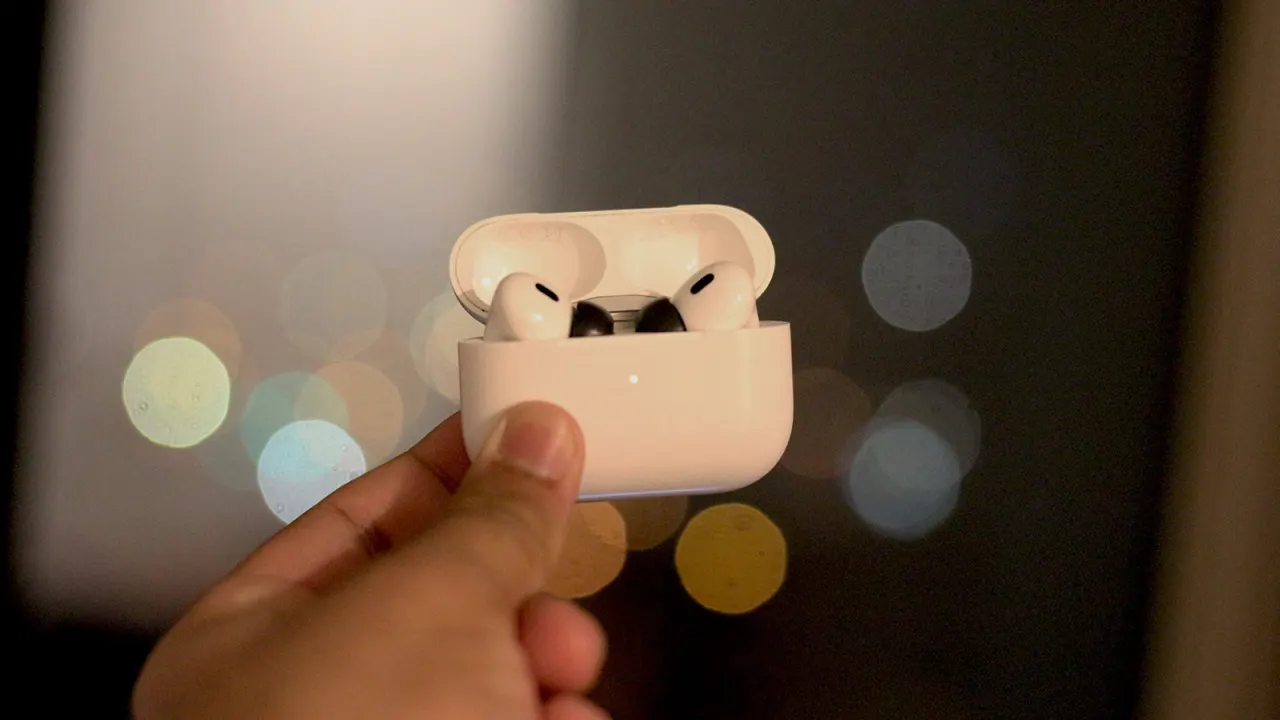
Wireless earbud owners struggling with weak bass or poor noise cancellation may not need a new pair at all — the fix could simply be better ear tips. Most earbuds ship with silicone tips, which are cheap and durable but come in only a few preset sizes, often failing to form a tight seal in the wide variety of human ear shapes. Since earbuds rely almost entirely on this seal for sound quality, a poor fit lets sound leak out and outside noise in, weakening bass and reducing active noise cancellation performance.
Switching to third-party memory foam ear tips, sold by brands such as Comply and Sonicfoam, can significantly improve the fit by expanding to match the ear canal, creating a tighter seal that boosts bass and passive noise isolation. However, foam tips have drawbacks: they wear out faster than silicone, typically lasting two to three months with daily use, and attract dirt more easily. Prices range from roughly $10 to $40 depending on brand and pack size, and buyers should check compatibility, as some earbuds, including AirPods, use a proprietary fit mechanism.
- Foam ear tips can improve earbud bass and noise cancellation via a tighter seal.
- Silicone stock tips often don't fit ears well, causing sound leakage.
- Foam tips cost $10–$40 but wear out within two to three months.
New here? Start with this
Earbuds sit in the ear canal, and their fit affects how they sound. The tips help seal the canal; if they do not fit well, sound can escape and outside noise can get in.
Silicone tips are commonly supplied with earbuds, but their set sizes may not suit every ear. A better seal can help keep bass in and block noise, which also gives noise-cancelling features a better chance to work.
Memory foam tips are made by companies such as Comply and Sonicfoam, and are designed to mould to the ear. They can cost more to replace and may wear out sooner than silicone, and not every type fits every earbud.