Wi-Fi 6 vs Wi-Fi 7: What’s the difference wnd which is better for home internet?
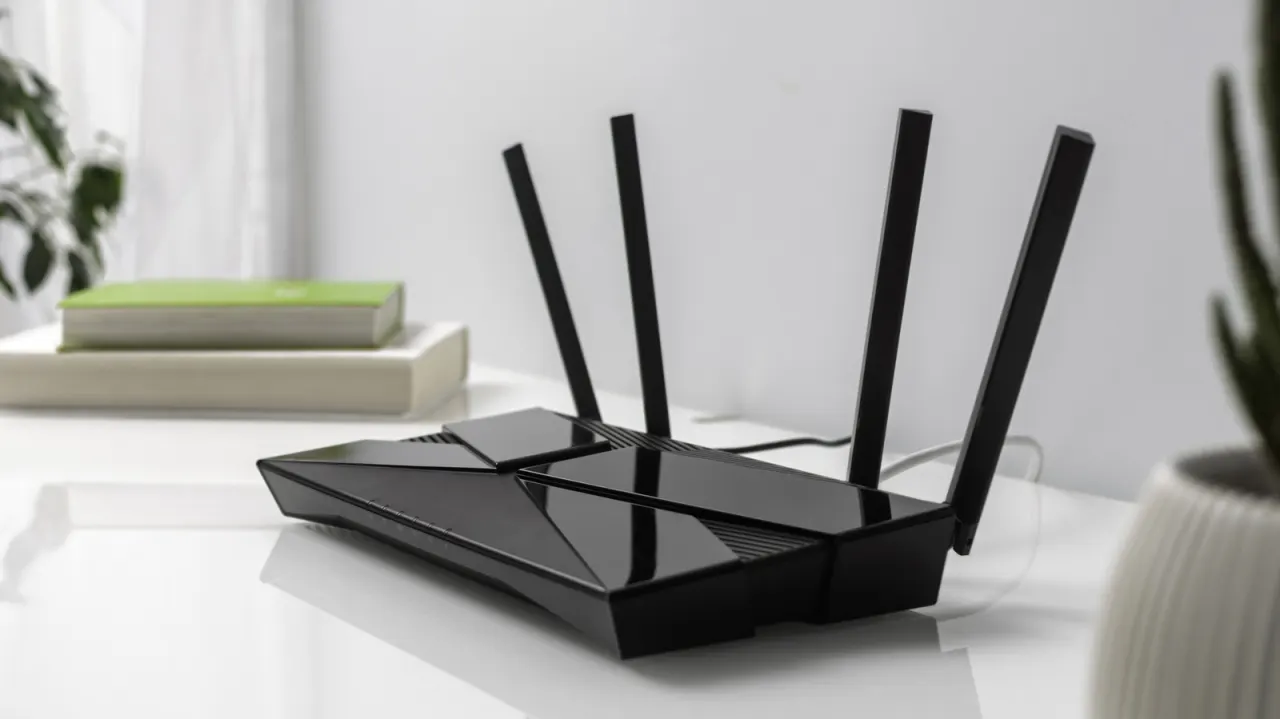
Wi-Fi 7, launched by the Wi-Fi Alliance in early 2024, offers meaningful improvements for home networks but has seen slow adoption so far. Tri-band Wi-Fi 7 routers can theoretically reach speeds up to five times faster than Wi-Fi 6E, and are worth considering for busy households with many connected devices, though real-world performance still depends on your broadband plan and network congestion.
Key advances include Multi-Link Operation, which lets routers use the 2.4GHz, 5GHz and 6GHz bands simultaneously, and 320MHz channel widths, double that of Wi-Fi 6E, useful for streaming 4K or 8K content. However, testing has found inconsistent implementation across devices, and cheaper dual-band routers often lack these features entirely. Device support also remains patchy: the iPhone 17 and PlayStation 5 Pro support Wi-Fi 7 but show little practical speed benefit, meaning many households may still be better served by cheaper Wi-Fi 6 or 6E routers, especially with Wi-Fi 8 expected in 2028.
- Wi-Fi 7 offers faster speeds but adoption remains limited so far
- Tri-band routers can hit up to 46Gbps theoretically, real gains vary
- Wi-Fi 6/6E still solid choices; upgrade timing matters for device support
New here? Start with this
Wi-Fi 7 is the newest generation of wireless networking technology, formally introduced by the Wi-Fi Alliance, the industry body that sets these standards, in early 2024. It follows on from Wi-Fi 6 and Wi-Fi 6E, which are still widely used in homes today. The new standard is designed to offer faster speeds and better performance for households with lots of connected devices, from phones and laptops to smart TVs and games consoles.
The practical difference lies in a few technical upgrades: Wi-Fi 7 routers can use multiple wireless bands at once, a feature called Multi-Link Operation, and support wider "channels" for shifting more data at a time. In theory, this makes them capable of far higher speeds than older routers, particularly useful for demanding tasks like streaming very high-resolution video. However, taking advantage of this requires both a compatible router and a compatible device, and manufacturers have not all built the standard in the same way.
This matters to ordinary readers because buying a new router or phone now often means choosing between Wi-Fi 6, 6E and 7 models at different price points. Since actual speeds also depend on your broadband package and how congested your network is, the newest standard does not automatically mean a noticeably faster experience at home.
Both sides, in good faith
The strongest fair case each way — we don't pick a winner.
The case for
Wi-Fi 7 represents a genuine technological leap that justifies upgrade consideration for many households. The Multi-Link Operation and 320MHz channels address real performance limitations, particularly for users with multiple devices and demanding applications like 4K streaming. Early adoption future-proofs your network investment for years ahead, whilst waiting until the 2028 Wi-Fi 8 launch means upgrading again soon regardless. As device support matures over the next year or two, those who adopt now will benefit from superior performance when their hardware catches up.
The case against
Current market realities make Wi-Fi 6/6E the pragmatic choice for most households. Device support remains inconsistent, real-world testing shows minimal practical benefits in typical usage scenarios, and Wi-Fi 7 routers command substantially higher prices for negligible gains if your broadband connection is already saturated. With Wi-Fi 8 arriving in 2028—just a few years away—upgrading now creates an expensive cycle of constant replacement rather than letting the technology mature. For the vast majority of users with ordinary streaming and browsing needs, Wi-Fi 6/6E remains entirely adequate, making the premium cost of Wi-Fi 7 difficult to justify.