Frankie Thompson: Horrible Things review – a show to make you shudder with laughter
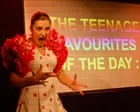
This is a review of Frankie Thompson's fringe show "Horrible Things" at Pleasance Courtyard, Edinburgh, praising it as a wildly inventive mix of clowning and performance art. The reviewer highlights Thompson's use of lip-synced audio clips and audience-involving stunts to satirise male figures and behaviour, giving the show a high rating for its comic invention and precision.
Sketches range from a lip-synced recreation of a childhood interview with Jacob Rees-Mogg to skits on the "whips' office" and Cliff Richard, plus an interactive segment set to Frank Sinatra's 1980 album Trilogy: Past Present Future, in which men from the audience are pulled on stage. The reviewer notes occasional dips when the theme wanders but says the show consistently returns to sharp, unsettling comedy, likening its effect to exorcism rather than medicine. It runs at Pleasance Courtyard until 30 August, then transfers to Soho Theatre, London, from 9 to 21 November.
- Review praises Frankie Thompson's Edinburgh fringe show "Horrible Things"
- Show blends clowning, lip-sync satire and audience-interactive stunts
- Runs in Edinburgh to 30 August, then Soho Theatre, London, 9-21 November
New here? Start with this
Edinburgh’s Fringe is an annual arts festival where performers bring new comedy, theatre and other shows to venues across the city. Frankie Thompson is a performer whose work blends clowning, scripted scenes and performance art, often using recorded audio and audience participation.
The show’s sketches draw on public figures and institutions, including politician Jacob Rees-Mogg and the parliamentary whips’ office, which helps explain its satire of male authority and behaviour. Its mix of comic performance and deliberately unsettling moments places it among the Fringe shows that use humour to explore how people respond to power and social expectations.