Canada prepares to hit US with new tariffs after Trump launches brutal trade war as Mark Carney faces biggest challenge yet as prime minister
Developed over time first seen 2 months ago
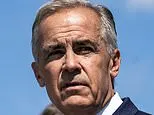
Canadian Prime Minister Mark Carney is preparing to unveil new retaliatory tariffs against the United States, marking his most significant confrontation yet with Donald Trump and testing his leadership at a critical moment. The move follows the collapse of trade talks on Friday, when Carney withdrew from negotiations shortly before Trump's 50 per cent tariffs on $20 billion of Canadian goods were due to take effect, prompting the president to warn Canada of consequences "far worse" than current measures unless it "falls in line."
Carney has indicated Canada may abandon dollar-for-dollar tariff matching in favour of more targeted retaliation designed to protect domestic workers and key industries such as autos, steel and aluminium, which he says the US wanted to "destroy" during negotiations. Finance Minister François-Philippe Champagne and other cabinet ministers are due to detail support for affected workers on Tuesday. Trump has accused Canada of "ripping off" the US for years, while analysts suggest Carney is signalling that Canada will no longer be a compliant partner. Ontario Premier Doug Ford has also escalated rhetoric, threatening to cut electricity exports supplying 1.5 million US homes and businesses in response to new tariffs on Canada's auto sector.
- Carney to announce fresh retaliatory tariffs against the US on Tuesday
- Trade talks collapsed after Trump's 50% tariffs threat last week
- Ontario's Ford threatens to cut US electricity exports in response
New here? Start with this
Canada and the United States have been locked in an escalating tariff dispute for months, with President Donald Trump imposing steep import taxes on Canadian goods, including a 50 per cent levy on roughly $20 billion worth of products. Talks between the two countries aimed at resolving the dispute broke down recently, with Canada pulling out of negotiations shortly before those tariffs were due to come into force.
Mark Carney, who became Canadian prime minister in 2025, is now considering how to respond, with officials suggesting he may target specific sectors rather than simply mirroring US tariffs pound for pound. Industries central to the dispute include cars, steel and aluminium, all of which employ large numbers of workers on both sides of the border and are deeply intertwined between the two economies.
The confrontation matters because Canada and the US are each other's largest trading partners, and disputes of this scale can raise prices, threaten jobs and strain a relationship that has historically been one of close cooperation. It also represents a significant test of Carney's leadership, as he balances defending Canadian industry against the risk of further provoking Washington.
Full account
Canada was expected to announce retaliatory tariffs against the United States after talks between Prime Minister Mark Carney’s government and the Trump administration reportedly broke down. The dispute followed Washington’s imposition of 50% tariffs on about US$20 billion of Canadian goods, with President Donald Trump also threatening further duties on Canadian vehicles and car parts.
Carney has presented the response as a defence of Canadian industry and sovereignty, arguing that Ottawa could not accept negotiations conducted on the basis that Canada should act as a subordinate of the United States. While he had previously suggested Canada might move away from automatically matching every US tariff, the reported measures were expected to target American products while seeking to limit damage to Canadian workers and businesses.
Finance Minister François-Philippe Champagne and other ministers were also expected to set out economic support, including measures such as enhanced unemployment assistance and state-backed business lending. The package reflects concern that tariffs could affect manufacturing sectors, particularly steel, aluminium and motor vehicles, as well as the wider supply chains that link the two countries.
Trump intensified his rhetoric, saying Canada had treated the US unfairly and should “fall in line”. One report said he was considering calling Lake Ontario “Lake America”, despite the lake being a shared boundary water managed by both countries under a long-standing treaty. He also rejected Carney’s allegation that US negotiators had made demands affecting French-language protections and Quebec culture.
Where outlets differ
Both reports describe the collapse of talks, the 50% US tariffs and expected Canadian retaliation. Source 1 places greater emphasis on Carney’s political calculation, his remarks about defending major industries and analysis portraying a break with Canada’s traditionally accommodating approach. Source 2 focuses more heavily on Trump’s proposed renaming of Lake Ontario, the legal and symbolic significance of the shared waterway, and the reported worker-and-business relief package. Source 2 also includes Trump’s denial of any intention to interfere with French-language rights; Source 1 foregrounds Carney’s claim that the proposed deal was unacceptable.