Adam Mosseri says it’s ‘news to me’ that Instagram employees limited his exposure to teen safety data
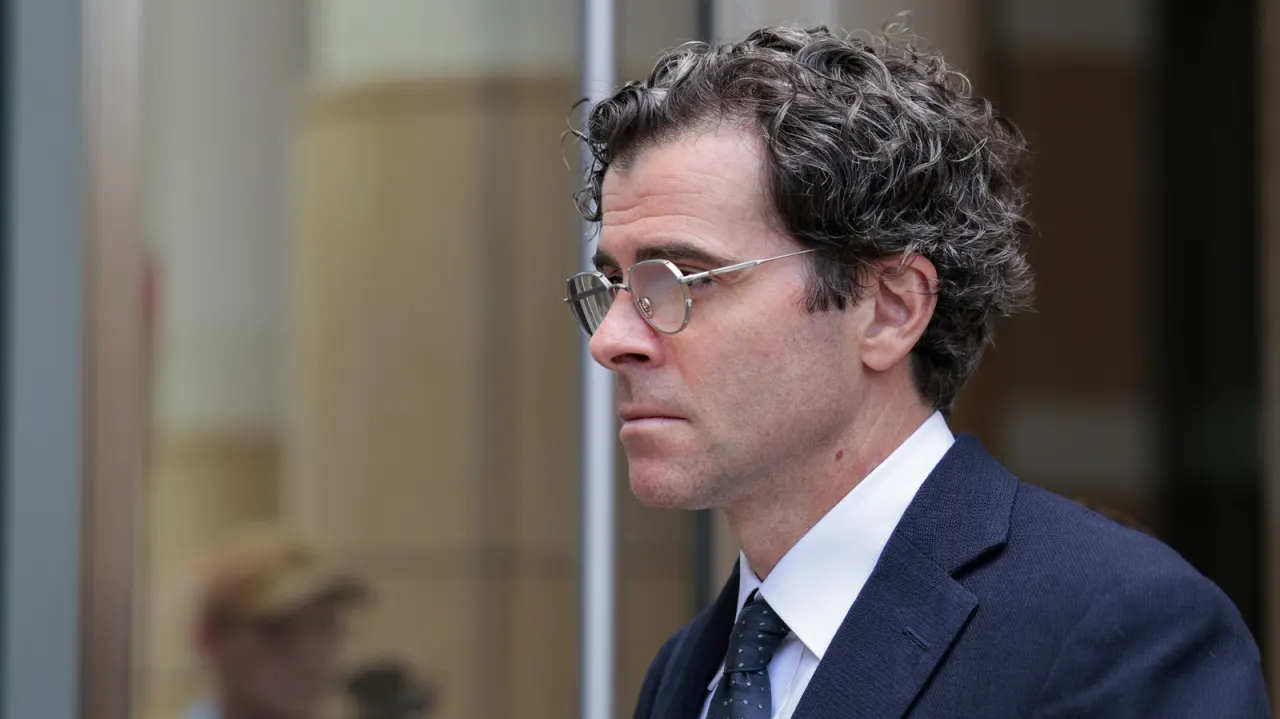
Instagram head Adam Mosseri testified in Meta's social media addiction trial that he was unaware employees had been told by a company lawyer to limit the teen safety data shown to him. The trial, brought by attorneys general from dozens of states, alleges Meta deliberately designed its platforms to hook children despite internal research showing harm to young users, making Mosseri's testimony a significant moment as the first senior executive to take the stand.
A 2023 slide deck presented by Instagram staff found that content on suicide, self-harm and eating disorders reached a disproportionately large teen audience, two and a half times greater than among adults, while teens viewed "non-recommendable" content at 1.5 times the adult rate. A lawyer reportedly told employees to strip these statistics to "limit" Mosseri's exposure, though he denied any involvement in restricting his own access to such information. Design director Francesco Fogu also testified he was told data could only be conveyed to leadership verbally, while separate evidence showed uptake of Instagram's "take a break" feature was extremely low, at just 1.8% of users in 2021 and 0.165% of teens in 2022.
- Mosseri denies knowing staff were told to limit his safety-data exposure.
- 2023 deck showed harmful content disproportionately reached teen users.
- "Take a break" feature saw very low adoption among teens.
New here? Start with this
Instagram, part of Meta, is being sued by attorneys general from dozens of US states, who allege the company knowingly designed its platforms to keep children hooked while its own research showed the harm this could cause to young users. The case is now in trial, and testimony from senior Meta figures is being closely watched as key evidence of what executives knew and when.
Adam Mosseri is the head of Instagram and has become the first senior Meta executive to testify in the trial. Central to the proceedings is internal research and data on teenage users, including findings about how often teens encountered content related to topics such as self-harm, and evidence about how staff shared or withheld that information within the company.
The case matters because it could determine whether Meta is held legally responsible for the design choices behind Instagram and other platforms, and because it is shedding light on internal company practices around sensitive research on children's wellbeing.
Both sides, in good faith
The strongest fair case each way — we don't pick a winner.
The case for
The evidence indicates Meta deliberately restricted teen safety information from its leadership. When internal data showed harmful content reached teens at substantially higher rates than adults, and lawyers instructed employees to limit Mosseri's exposure to these statistics, this pattern suggests knowledge of significant teen harms coupled with intentional information suppression. Such restrictions on critical safety data appear incompatible with genuinely prioritising teen protection.
The case against
Whilst troubling, data restrictions do not necessarily prove deliberate misconduct. Corporations routinely limit raw data before leadership presentation for legitimate reasons—analytical rigour, privacy protocols, and proper contextual analysis—and restricting how information is presented doesn't necessarily prevent decision-making if safety data is reviewed through proper governance channels. Without direct evidence that leaders consciously chose engagement over safety despite full awareness of alternatives, such practices alone cannot definitively establish intentional wrongdoing toward teens.