Pro wrestling star Austin Aries shares thoughts on celebrities entering the sport
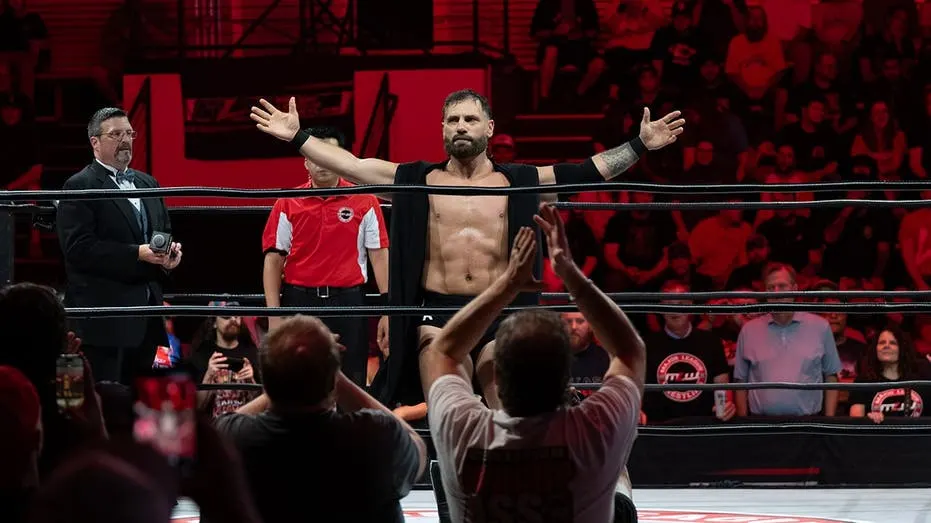
Austin Aries, the Major League Wrestling openweight champion, has spoken about the long-running practice of bringing celebrities and outside athletes into professional wrestling, a tradition dating back to the first WrestleMania in 1985. Describing himself as a "traditionalist," Aries told OutKick he understands the entertainment value celebrities bring but warned that giving them shortcuts can undermine performers who have spent years honing their craft, calling the practice potentially "insulting" and "disrespectful" to full-time wrestlers.
Aries acknowledged that using famous names, as WWE has done recently with figures such as Jelly Roll and Lil Yachty, can help sell tickets and broaden a promotion's audience. However, he stressed that this should not come at the expense of the wrestlers who work "week in and week out." The comments came ahead of his three-way MLW Openweight Championship defence against Místico and Averno on MLW's "Fusion", which he won, taking Místico's mask as a prize.
- Austin Aries calls himself a wrestling "traditionalist" on celebrity crossovers.
- He says celebrities shouldn't bypass wrestlers' years of hard work.
- Aries retained his MLW title, winning Místico's mask in the process.
New here? Start with this
Professional wrestling combines staged matches and rivalries with live entertainment. Since the 1980s, promoters have sometimes brought in celebrities and athletes from outside wrestling, drawing on their public profiles to attract attention and audiences.
Austin Aries is a full-time wrestler and the current Major League Wrestling Openweight champion. WWE, a much larger wrestling promotion, has recently featured musicians including Jelly Roll and Lil Yachty; celebrity appearances are one way promotions reach people who may not otherwise watch wrestling.
The debate is about balancing that extra attention with recognition for wrestlers who train and perform regularly. It matters to how promotions present the sport and value the experience of their performers.
Both sides, in good faith
The strongest fair case each way — we don't pick a winner.
The case for
Professional wrestling is fundamentally an entertainment business, and celebrities have demonstrably increased viewership, ticket sales, and mainstream visibility for wrestling promotions. The practice has succeeded for decades precisely because it works—it brings new audiences who may then become invested in professional wrestlers themselves. Wrestling, unlike pure sports, explicitly combines athletic performance with entertainment storytelling, making crossover appeal from famous personalities not a departure from the art form but an integral part of how it engages audiences and grows economically.
The case against
Professional wrestlers dedicate years to developing technical skill, athleticism, and character work that demands legitimate expertise, and celebrities receiving prime opportunities without that investment undermines the craft and demoralises full-time performers. Wrestling has its own traditions and meritocratic standards that deserve respect; allowing outsiders to bypass that journey or take opportunities suggests that celebrity status matters more than wrestling ability or commitment. This approach risks creating a two-tiered system where mainstream fame trumps professional merit, potentially weakening the long-term health of wrestling as a profession where wrestlers themselves are the primary attraction.