Apple Confirms September 9 iPhone Launch; Foldable Device Speculation Grows
Developed over time first seen 2 months ago
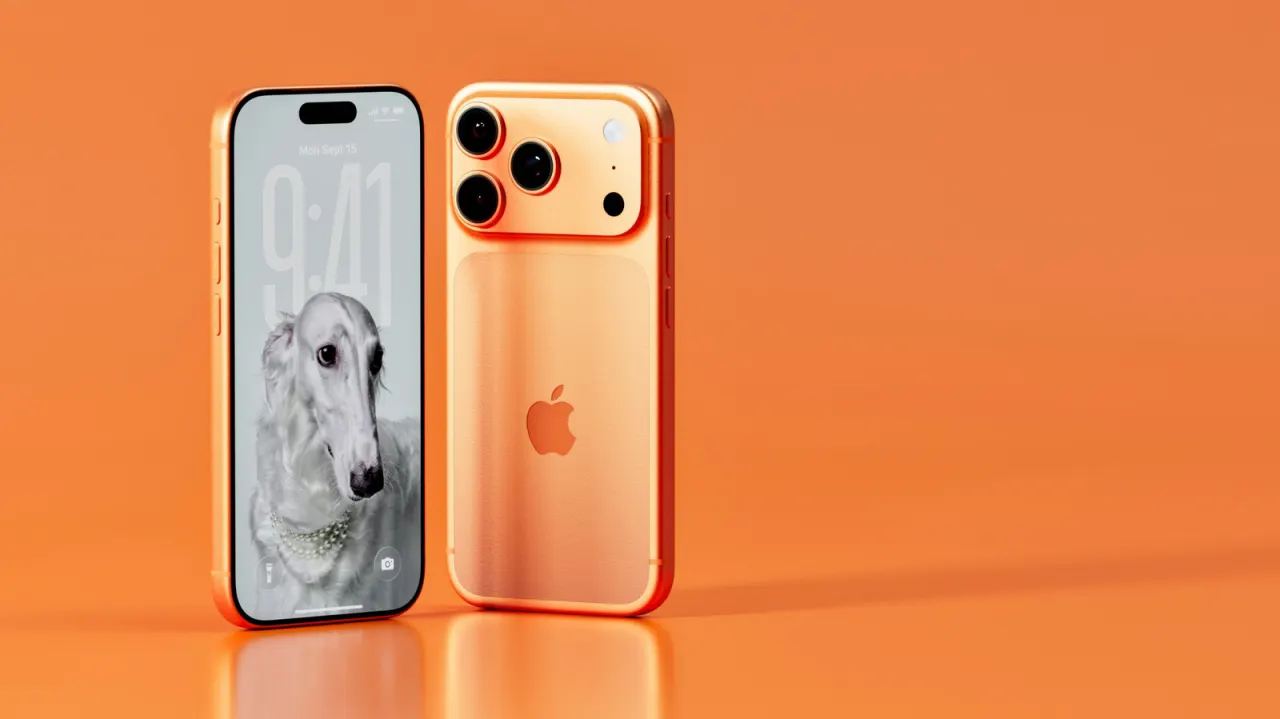
Apple has confirmed that it will unveil its latest iPhones on 9 September at 1pm ET, with the event streamed through its website and YouTube. The announcement has renewed speculation that the company may introduce its first foldable iPhone, potentially called the iPhone Ultra, which could unfold into a tablet-style device; however, Apple has not confirmed this product.
The event is also expected to feature iPhone 18 Pro models, while reports suggest the standard iPhone 18, iPhone Air 2 and iPhone 18e could be delayed until spring 2027. Artificial intelligence and Apple’s planned Siri AI platform are likely to be prominent themes, and the launch will be the first iPhone event led by incoming chief executive John Ternus, who succeeds Tim Cook on 1 September.
- Apple’s iPhone launch event is set for 9 September.
- A foldable iPhone is widely rumoured but unconfirmed.
- John Ternus will lead his first iPhone launch.
New here? Start with this
Apple is one of the world’s largest smartphone makers, and its annual iPhone launches are closely watched by consumers, app developers and rivals. The iPhone is central to a wider range of Apple products and services, including iPads, watches, computers and its software.
A foldable phone has a screen that bends so it can work as a compact handset when closed and a larger display when opened. Several competitors already sell such devices, but Apple has not publicly announced that it is making one.
Apple has also been developing more artificial-intelligence features for Siri and its other products. Tim Cook has led Apple since 2011, while John Ternus is a senior executive known for overseeing the company’s hardware engineering.
Both sides, in good faith
The strongest fair case each way — we don't pick a winner.
The case for
Supporters of a foldable iPhone and a more staggered release schedule would argue that Apple should adapt its product line to changing consumer expectations. A tablet-sized device that still fits in a pocket could offer a meaningful new form factor, while spreading launches may give each model clearer positioning and allow Apple to focus its AI features on hardware where they are most useful. They would see this as disciplined innovation rather than change for its own sake.
The case against
Sceptics would argue that a foldable iPhone risks adding cost, fragility and complexity without solving a problem most iPhone users have. Splitting the familiar annual range across different release dates could also confuse customers, complicate upgrade decisions and make the lineup harder to understand. They would favour Apple concentrating on reliability, battery life, privacy and broadly useful software improvements over speculative new categories and heavily marketed AI features.
Full account
Apple has confirmed that its next iPhone-focused launch event will be held on 9 September at 1pm Eastern Time, equivalent to 6pm in the UK. The presentation will take place at the Steve Jobs Theater at Apple Park and will be streamed through Apple’s website; one report also says it will be available on YouTube. The invitation carries the slogan “Surprise and shine”.
The event is expected to introduce new high-end iPhones, widely anticipated to be called the iPhone 18 Pro and iPhone 18 Pro Max. Reports suggest these models may be relatively incremental updates rather than a major redesign. More unusually, Apple is rumoured to be changing the timing of the wider range, with the standard iPhone 18 potentially delayed until spring 2027 alongside an iPhone 18e and a second-generation iPhone Air.
The main subject of speculation is Apple’s long-rumoured foldable handset. One account says an apparent dummy unit points to a wide, book-style device comparable in broad approach to Samsung’s Galaxy Z Fold range. Another suggests it could be branded the iPhone Ultra and unfold into a tablet-like device with an iPad mini-style role. Apple has not confirmed either the product, its name or its design.
The launch will also be closely watched as the first iPhone event led by John Ternus, who is due to become Apple chief executive on 1 September, succeeding Tim Cook. One report expects Apple’s artificial-intelligence strategy, including Siri AI and Apple Intelligence, to feature prominently, although both accounts indicate that new iPhones are likely to remain the central focus.
Where outlets differ
Source 1 emphasises the physical event setting, invitation tagline, apparent foldable dummy-unit image and comparisons with Samsung’s Galaxy Z Fold design.
Source 2 places greater emphasis on software and AI, citing iOS 27 groundwork, Siri AI, Apple Intelligence and possible connected-home products.
The outlets use different possible names for the foldable: Source 1 calls it a foldable iPhone, while Source 2 says it may be called iPhone Ultra.
Source 1 says the base iPhone 18 is reportedly not due at the September event; Source 2 is less definite, saying it may also be delayed until spring 2027.
Coverage
- The Verge — Apple confirms 9 September iPhone launch under new chief executive
- Engadget — Apple announces September 9 date for ‘Surprise and shine’ iPhone event