2028 Dem hopeful slaps Trump admin with lawsuit over mail-in-voting after major SCOTUS victory
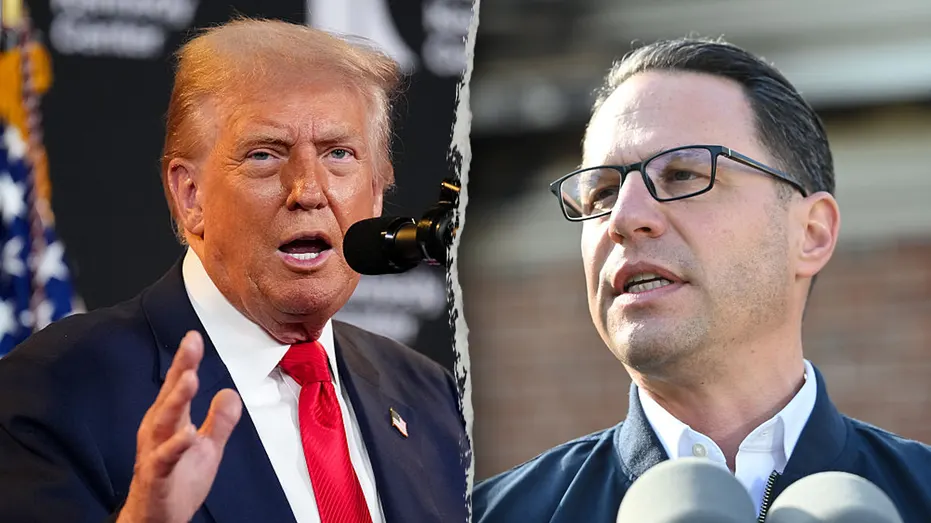
Pennsylvania Governor Josh Shapiro and attorneys general from 23 other states plus Washington, D.C., have sued the US Postal Service over a new federal rule governing mail ballots. The coalition argues that the rule unlawfully expands USPS’s role in election administration and could disrupt state preparations for the forthcoming midterm elections; the White House says it is a lawful measure intended to strengthen ballot security.
The rule requires election officials to provide intended mail-ballot recipient information through a USPS portal, use certain design features such as trackable barcodes, and submit ballot-envelope designs for postal approval. The lawsuit follows a Supreme Court decision staying an earlier injunction because the original challenge was considered premature before a final USPS rule existed; the states now seek to block and ultimately overturn the newly finalised rule.
- States sue USPS over new federal mail-ballot requirements.
- They say the rule intrudes on state election authority.
- The White House calls it an election-security measure.
New here? Start with this
In the United States, states set many of the rules for running elections, including how voters can cast ballots by post. The US Postal Service delivers those ballots, while state and local election officials manage voter lists and prepare ballot papers and envelopes.
A new federal rule sets requirements for how election officials share information about people due to receive mail ballots and how ballot envelopes are designed. The dispute is about whether the Postal Service can set these requirements and how they might affect states’ election preparations.
The Supreme Court recently allowed an earlier court order blocking the rule to be put on hold, saying the challenge had come before the Postal Service had finished making the rule. Now that the rule is final, the case could clarify the boundary between federal postal authority and states’ responsibility for elections.
Both sides, in good faith
The strongest fair case each way — we don't pick a winner.
The case for
States argue that election administration is a constitutionally protected state function and that the rule impermissibly expands federal authority over elections without adequate statutory basis. They contend the USPS lacks clear legal authority to impose ballot design and submission requirements on states, and that the rule disrupts carefully calibrated state procedures that have functioned well. The timing and lack of transparent rulemaking procedures further undermine the rule's legitimacy, they argue.
The case against
The administration argues that USPS has clear statutory authority over mail handling and security, and that coordinating with states on ballot integrity falls squarely within federal postal authority. They contend that improved tracking, design standards, and information-sharing strengthen mail-ballot security against fraud and loss, protecting the integrity of the democratic process. The rule accommodates state autonomy whilst ensuring federal postal standards apply to federal mail, they argue.