Florida Catholics slap down state AG by rejecting religious vaccine exemptions
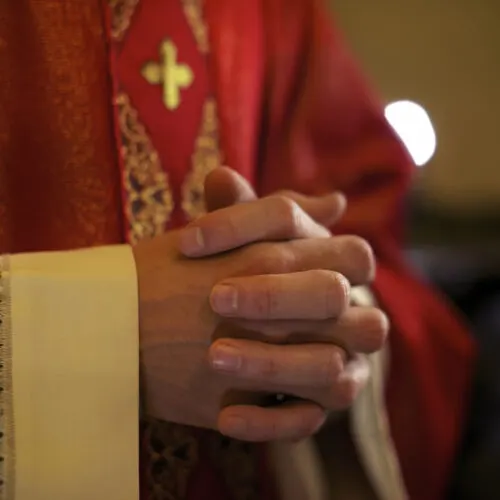
Florida’s Catholic bishops have rejected an attempt by state Attorney General James Uthmeier to pressure Catholic schools into granting religious exemptions from vaccination requirements. They said the state has no authority to interpret Catholic doctrine or condition school funding on accepting exemptions that church leaders believe lack a religious basis, highlighting a clash between Florida’s anti-vaccine policies and religious institutions’ autonomy.
Florida law requires schools to allow religious vaccine exemptions, but Catholic dioceses in the state accept only medically verified exemptions and support vaccination. Uthmeier, a Catholic, argued that schools should permit exemptions partly over vaccines developed using historic fetal cell lines and threatened scholarships and vouchers; the bishops replied that no new fetal cells or abortions are involved and that Catholic teaching permits vaccination.
- Florida bishops reject religious vaccine exemptions at Catholic schools.
- They say state officials cannot determine Catholic doctrine.
- Funding threat intensifies Florida’s vaccine-policy dispute.
New here? Start with this
Florida requires schools to accept religious exemptions from its vaccination rules. The state’s Catholic dioceses have generally accepted exemptions for medical reasons but say Catholic teaching supports vaccination and does not provide a religious basis for refusing it.
The dispute involves Florida Attorney General James Uthmeier and the state’s Catholic bishops, who lead the church’s dioceses. It centres on vaccines developed using cell lines originating from abortions decades ago; the bishops say producing today’s vaccines does not involve new abortions or fetal cells.
The argument raises questions about how far state officials can go in interpreting religious beliefs or linking school funding to particular policies. It also reflects wider disagreements over vaccination, public health rules and the independence of religious schools.
Both sides, in good faith
The strongest fair case each way — we don't pick a winner.
The case for
Religious institutions must be free to interpret and apply their own doctrine without state pressure or interference. The bishops have made a good-faith determination that Catholic teaching permits vaccination and does not require exemptions, particularly since no new fetal cells are involved in current vaccines. Compelling schools to grant exemptions contradicting their official doctrine infringes institutional religious autonomy and allows the state to dictate religious positions.
The case against
If public policy recognises religious exemptions as legitimate, parents with sincere religious concerns should access them without institutional gatekeeping. The fetal cell concern represents a genuine theological position deserving respect, and individual conscience should not be overridden by each school's doctrinal interpretation. Exemption policy should apply consistently rather than depending on institutional theological judgments.