23 Years Later, James Mangold’s Psychological Thriller Still Delivers One of the Unforgettable Twists in Movie History
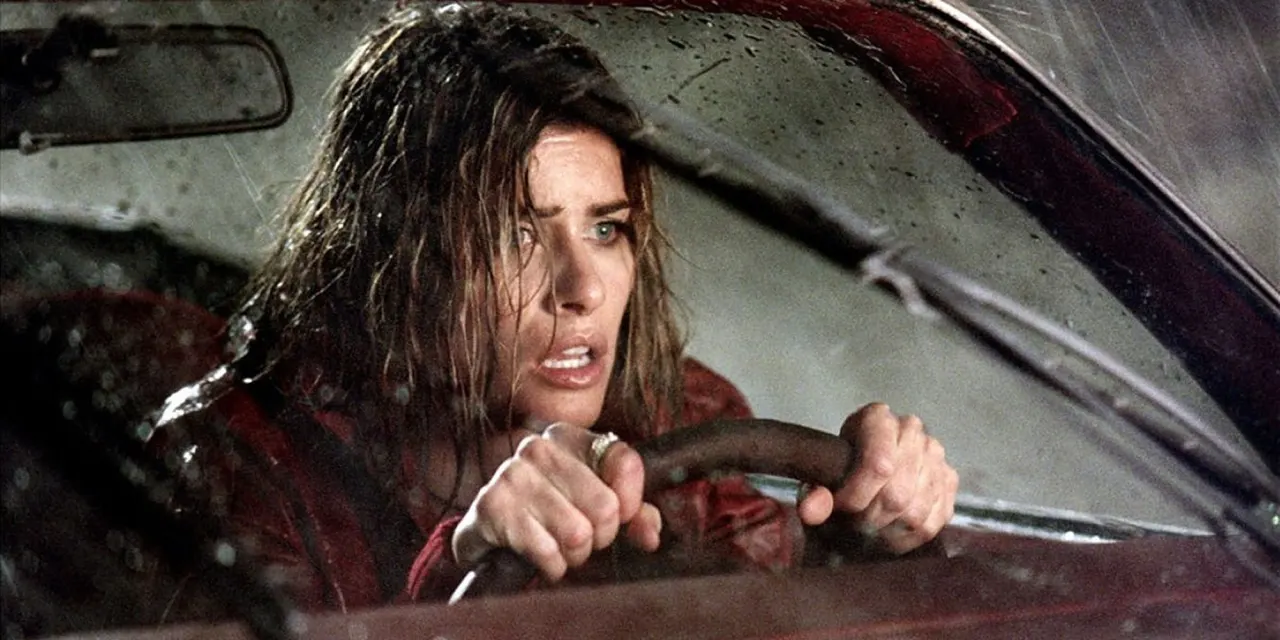
James Mangold’s 2003 psychological thriller *Identity* is highlighted for a twist that redefines its apparent roadside-motel murder mystery. The article argues that the reveal remains effective because the film uses a familiar locked-room setup and a well-known cast to misdirect viewers before exposing the story’s true psychological premise.
The film follows stranded strangers being killed during a storm, while a psychiatrist seeks to prevent the execution of his patient, Malcolm. It is eventually revealed that the motel characters are Malcolm’s dissociative identities, created after childhood trauma, and that the scenario is an attempt to identify and eliminate the murderous personality. The article notes a further reversal after Paris appears to survive, reinforcing the film’s reputation for an especially memorable ending.
- *Identity* disguises a psychological story as a motel murder mystery.
- The guests are revealed to be Malcolm’s dissociative identities.
- Its layered ending still surprises new viewers.
New here? Start with this
Identity is a 2003 thriller directed by James Mangold. It begins with a group of strangers stranded at a motel during a storm, where people are killed one by one, while a psychiatrist tries to stop the execution of his patient, Malcolm.
The film connects these events through dissociative identity disorder: the motel guests are presented as parts of Malcolm’s mind, and the unfolding mystery is tied to an effort to find a murderous identity. The story draws on the locked-room mystery, a familiar type of tale in which a small group is trapped together and the culprit is hard to identify.