Number of homeless refugees housed by UK council surges 400 per cent as authority faces accusations of ‘prioritising illegal migrants’
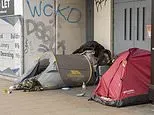
Edinburgh City Council has reported a sharp rise in homelessness applications from people granted refugee status, while its suspension of normal social-housing allocations has prompted political criticism. The council says it paused allocations in April 2024 to meet its legal duties towards emergency homeless households during a declared housing emergency, but Reform UK has accused it of favouring migrants over other applicants.
The council is housing 1,442 refugees, compared with 281 two years earlier, a rise of 413 per cent; refugees account for about 16 per cent of temporary-accommodation households, up from roughly one per cent three years ago. Between April 2025 and June 2026, 711 of 722 asylum-seeker housing applicants were assessed as homeless and needing accommodation, while total homelessness presentations rose from 3,455 to 3,969. The council says it intends to restart its standard allocation scheme in October after adding and acquiring homes for temporary accommodation.
- Edinburgh reports a fourfold rise in refugees needing homelessness support.
- Council says legal duties drove its allocation-policy pause.
- Normal social-housing allocations are due to resume in October.
New here? Start with this
Edinburgh City Council provides temporary accommodation for people who are homeless while it works out longer-term housing. This includes refugees: people who have been granted protection in the UK after seeking asylum. They are among many groups who may need help, and demand for housing has been rising.
Councils have legal duties to assist people assessed as homeless, but they also manage queues for social housing, which is limited. Edinburgh paused its usual allocation scheme during a declared housing emergency, saying it needed to prioritise emergency cases. The dispute centres on how the council balances those duties and competing needs, and how the pause affects other people waiting for a home.
Both sides, in good faith
The strongest fair case each way — we don't pick a winner.
The case for
The council faced legal obligations to accommodate asylum seekers and refugees with recognised status, and its declaration of a housing emergency justified prioritising the most urgent need. Temporary allocation pauses are recognised crisis tools to concentrate limited resources on statutory duties to the most vulnerable. The council is actively acquiring additional homes for temporary accommodation and plans to restart normal allocations, indicating this is a bounded measure rather than permanent policy preference.
The case against
Pausing normal housing allocations whilst refugee placements surge 413 per cent creates a structural disadvantage for other vulnerable groups, regardless of legal justification. The timing cannot be disentangled—other homeless applicants faced extended waits whilst refugee housing multiplied four-fold. Fair allocation of scarce resources requires balancing legal duties to refugees with genuine obligations to all vulnerable residents, including British citizens in need, rather than effectively suspending one category's access entirely.