Ukraine pushes Russia back on front line where Starlink has played key role
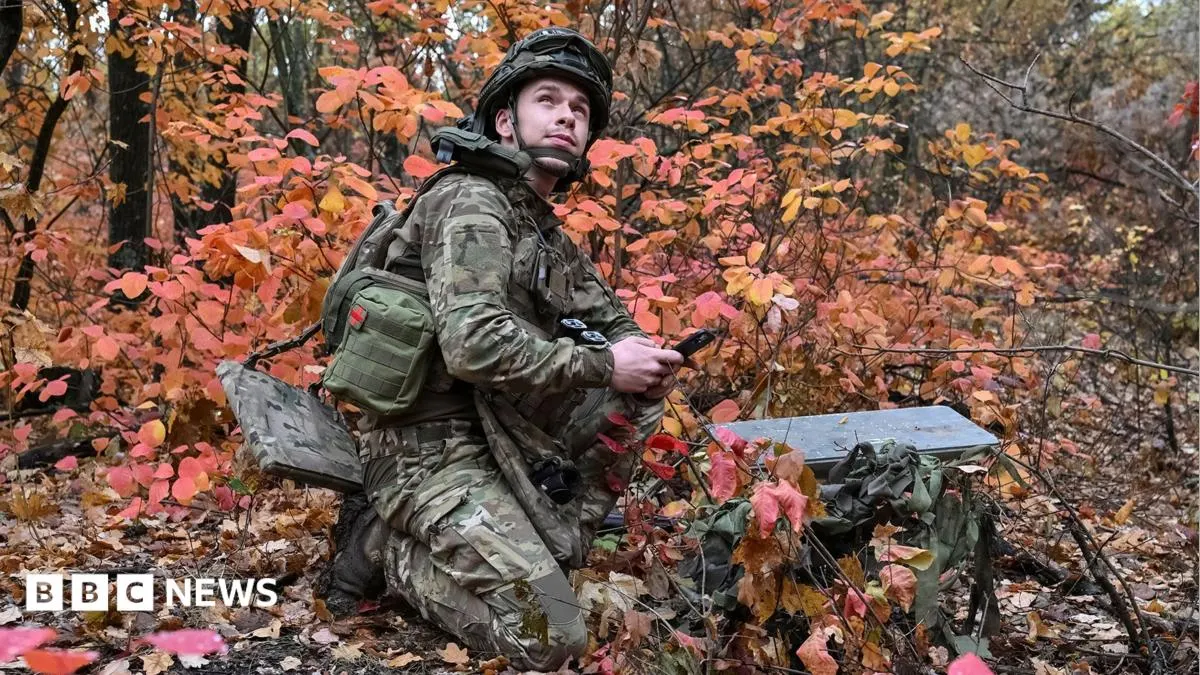
Ukraine says its Operation Vivaldi counter-offensive has pushed Russian forces back and recaptured ground in the eastern Donbas. The gains helped blunt a Russian attempt to encircle Ukrainian-held cities in the Fortress Belt, while highlighting the role of digital communications in modern combat.
Kyiv says the operation liberated 277 sq km and caused about 8,000 Russian casualties, with close to 50,000 Russian casualties along the front in September; these figures have not been independently verified. Starshield, the military version of Starlink, supported battlefield communications and drone operations, but Ukraine says restrictions were imposed without warning, raising concerns about reliance on the system. Soldiers remain exposed on the ground despite the use of drones and unmanned vehicles.
- Ukraine says it recaptured 277 sq km in the Donbas.
- Kyiv says Operation Vivaldi caused 8,000 Russian casualties.
- Unannounced Starshield restrictions have raised concerns.
Both sides, in good faith
The strongest fair case each way — we don't pick a winner.
The case for
Ukraine’s reported gains could disrupt Russia’s effort to encircle key Ukrainian-held cities and improve Kyiv’s position in the Donbas. Supporters may also argue that secure satellite communications and drone operations help Ukrainian forces coordinate effectively and protect soldiers, while the reported restrictions show why Ukraine needs reliable access to such systems.
The case against
The reported territorial gains and casualty figures have not been independently verified, so their scale and military significance remain uncertain. Critics may argue that dependence on a privately controlled communications network creates a vulnerability if access is restricted, and that drones and digital systems cannot remove the risks faced by troops on the ground.
Basketball Celebrity Entertainment Europe Government Politics Sport World