France relaxes strict cheese-making rules after prolonged drought
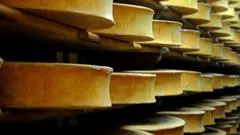
France has temporarily loosened protected-origin rules for several renowned cheeses after an historic 2026 drought severely reduced pasture grass for dairy herds. The measure matters because these labels normally require tightly defined local feeding and production methods intended to preserve each product’s distinctive regional identity.
Cheesemakers of Abondance, Beaufort and Comté have received official dispensations, with similar waivers expected for cheeses including Reblochon, Cantal and Rocamadour. Abondance producers may cut pasture grass in animals’ diets from 50% to 15% and import forage, while Comté makers may use maize from outside the Jura; the changes, permitted under French and EU law during exceptional weather, follow similar action in 2022.
In short
- Historic drought prompts temporary cheese-rule exemptions
- Farmers may import feed from outside protected areas
- Climate change challenges traditional terroir rules
Steelman: both sides, in good faith
The strongest fair case each way — we don't pick a winner.
The case for
Temporary waivers can help dairy herds through an exceptional drought and protect farmers’ livelihoods, cheese production and regional economies. Since the rules allow emergency flexibility, limited changes may be a proportionate response while keeping these established products viable until pasture conditions recover.
The case against
Protected-origin rules are meant to preserve the local methods and feeding practices that give each cheese its distinctive character and justify its regional label. Allowing imported forage or maize could alter that character and weaken confidence in the label, so critics may argue that producers should instead reduce output or clearly distinguish cheese made under changed conditions.
Explained simply
Protected-origin labels are used for foods whose production is tied to a particular place and set of methods. For cheeses such as Abondance, Beaufort and Comté, the rules cover how the milk is produced and what dairy herds are fed, helping maintain the products’ regional character.
The rules are overseen by French and European authorities, with producers required to follow them to use the labels. Exceptional-weather provisions allow temporary changes: the dispensations described affect pasture feed for Abondance and the use of maize for Comté, and similar changes may apply to other cheeses. The issue matters to cheesemakers facing shortages of local animal feed and to consumers who rely on the labels to indicate how a cheese was made.