Gov Shapiro sues Trump administration over ‘lifesaving reproductive care’ in escalating abortion battle
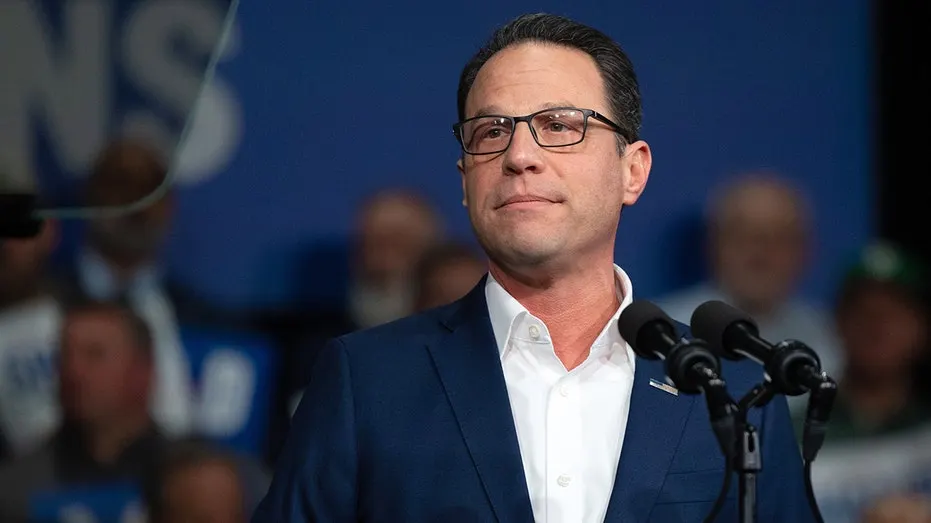
Pennsylvania Governor Josh Shapiro has joined a lawsuit by more than 20 mostly Democratic-led states challenging new Trump administration conditions on Title X family-planning grants. The states argue the conditions could restrict access to services such as cancer screenings and sexually transmitted infection testing for low-income residents, while the administration says they protect federal limits on abortion funding and promote “life-affirming” care.
Although Title X money is already barred from funding abortions, the dispute concerns additional requirements for providers to keep prohibited activities strictly separate and not use taxpayer resources to promote or support elective abortion. Pennsylvania received about $12.7 million in Title X funding in fiscal year 2026; the case, led by New York, Maryland and Massachusetts, asks a federal court in Maryland to block the new terms. Anti-abortion group Live Action criticised Shapiro’s stance, saying access to other health services need not involve funding Planned Parenthood.
- States challenge new Title X abortion-related grant conditions.
- Shapiro says rules threaten reproductive health services.
- Pennsylvania received $12.7 million in Title X funding.
Both sides, in good faith
The strongest fair case each way — we don't pick a winner.
The case for
The states argue that the new grant conditions could make providers restrict or withdraw reproductive health services, including cancer screenings and STI testing, for low-income patients, even though Title X already bars federal money from paying for abortions. They contend the added rules may interfere with care and undermine access to services the programme is meant to provide.
The case against
The administration’s position is that the conditions enforce the existing prohibition on using federal funds for abortion and prevent taxpayer resources from promoting or supporting elective abortion. Supporters may argue that providers can continue offering screenings and other health services while complying, and that public funding should go to organisations able to meet those safeguards.