Here’s what we know about the “space academy” Trump just announced
Developed over time first seen 2 months ago
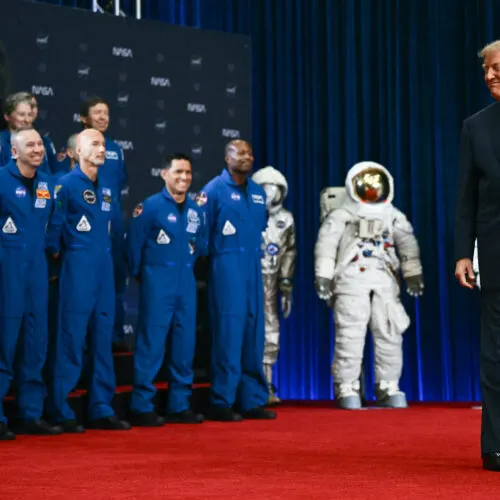
President Trump has signed an executive order launching work on a proposed US Space Academy, a NASA-led institution intended to train future technical and civilian leaders for the American space programme. The plan gives presidential backing to an initiative championed by NASA Administrator Jared Isaacman as commercial companies assume more responsibilities once handled by NASA, while the agency focuses on advanced exploration such as a lunar base.
The academy would offer four-year degrees and free tuition in exchange for several years of service, with most graduates expected to enter NASA or other civilian roles and some able to join the US Space Force. Proposed subjects include crewed and robotic spaceflight operations, ground control, spacecraft design and orbital-debris mitigation, but its location, timetable and final structure have not been decided. Former NASA deputy administrator Lori Garver welcomed efforts to strengthen the workforce but warned that a military-academy model could blur NASA’s legally civilian role with that of the Space Force.
- Trump ordered planning for a NASA-led US Space Academy.
- Free degrees would require graduates to complete service commitments.
- Critics warn against making civilian NASA resemble a military academy.
New here? Start with this
NASA is the United States’ civilian space agency. It runs scientific missions, develops space technology and works with private companies on launches and crewed flights, while the US Space Force is a separate military service responsible for space-based defence activities.
A Space Academy would be designed to train people for jobs needed by the American space programme, including mission control, spacecraft engineering and managing debris in orbit. The proposed model resembles US service academies, where students receive funded education in exchange for working for the government after graduating.
The idea comes as NASA relies more heavily on commercial firms for rockets, spacecraft and plans for returning astronauts to the Moon. Supporters see specialist training as a way to build a long-term workforce, while critics have raised questions about keeping NASA’s civilian role clearly separate from military space work.
Both sides, in good faith
The strongest fair case each way — we don't pick a winner.
The case for
Supporters argue that a US Space Academy could give NASA a dependable pipeline of highly trained engineers, operators and leaders as lunar exploration and commercial space activity expand. Free tuition tied to public service could widen access while ensuring taxpayers receive a return through years of specialised work, and a shared educational base may improve co-ordination across civilian space programmes. They may also contend that allowing some graduates to enter the Space Force recognises the practical overlap in technical skills without changing NASA’s civilian purpose.
The case against
Critics argue that creating an academy modelled on military service risks confusing NASA’s legally distinct civilian mandate with national-security space activities, particularly if the Space Force is built into its identity. They may question whether a new institution is the best use of limited space budgets when universities, apprenticeships and existing NASA partnerships could be strengthened instead. With its governance, location and costs unsettled, opponents would also seek clear safeguards to preserve scientific independence and prevent the programme becoming more symbolic than effective.