Shailene Woodley Recalls Getting Cut From ‘The Amazing Spider-Man 2’: “That Was A Fun Phone Call”
Developed over time first seen 2 months ago
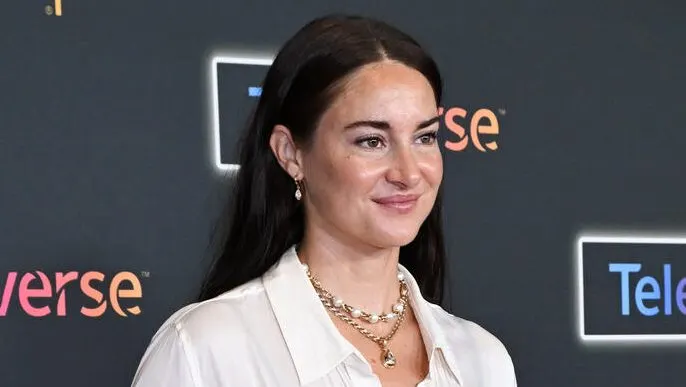
Shailene Woodley has recalled that her filmed role as Mary Jane Watson was removed from 2014’s *The Amazing Spider-Man 2*, despite it being a dream part for her. Her comments renew attention on an abandoned storyline that would have introduced Mary Jane after the film’s Peter Parker–Gwen Stacy arc, but the intended follow-up was never made.
Woodley said she filmed about three scenes with Andrew Garfield before learning around a year later that she would no longer appear in the film. She was told the character’s introduction had been postponed until after Emma Stone’s Gwen Stacy died, though she said she does not know the full reason for the cut. Garfield has ruled out appearing in *Avengers: Doomsday*, due in cinemas on 18 December, but has said he could consider returning for a more unconventional film in his Spider-Man continuity.
- Woodley filmed Mary Jane scenes before being cut from *Amazing Spider-Man 2*.
- Producers reportedly planned to introduce her in an unmade sequel.
- Garfield remains open to an unusual future Spider-Man return.
New here? Start with this
Shailene Woodley is an American actor who was cast as Mary Jane Watson for The Amazing Spider-Man 2, a 2014 superhero film starring Andrew Garfield as Peter Parker. Mary Jane is one of the best-known characters in Spider-Man stories, often portrayed as a major figure in Peter’s life.
The film was part of a planned series made by Sony Pictures, following The Amazing Spider-Man in 2012. Woodley filmed scenes for the sequel, but they were removed before release, while Emma Stone’s Gwen Stacy remained Peter’s main romantic interest in the film.
Sony had intended to continue Garfield’s version of Spider-Man in later films, potentially introducing Mary Jane then. Those plans changed after the series ended, and Sony later worked with Marvel Studios on a new Spider-Man film series starring Tom Holland.
Full account
Shailene Woodley has said she was disappointed to learn that her role as Mary Jane Watson had been removed from 2014’s The Amazing Spider-Man 2, despite having already filmed scenes with Andrew Garfield. Speaking in a SAG-AFTRA Foundation conversation, Woodley described being cast as the character as a personal ambition, saying Spider-Man was her favourite superhero and Mary Jane a childhood favourite.
Woodley said she and Garfield shot about three scenes before she received a call roughly a year later informing her that she would not appear in the finished film. She recalled being told that the production had introduced many new characters and wanted to see how the relationship between Garfield’s Peter Parker and Emma Stone’s Gwen Stacy developed before bringing in Mary Jane.
According to Woodley’s account, she was told Mary Jane could be introduced after Gwen Stacy’s death, which occurs in the film. She said that reasoning seemed understandable, but the planned follow-up was never made. Woodley also stressed that she could not be certain this was the full explanation, joking that her performance itself might have been a factor.
The reports place the episode within the abandoned continuation of Marc Webb’s Spider-Man series. A contemporaneous comment from producer Matt Tolmach, cited by Variety, framed the cut as a storytelling decision: the production had taken on more plot than it could accommodate. Mary Jane had previously been played by Kirsten Dunst in Sam Raimi’s trilogy, while Garfield later returned as Spider-Man in Spider-Man: No Way Home.
Where outlets differ
Deadline places greater emphasis on the possibility of Woodley’s Mary Jane appearing if Garfield’s Spider-Man continuity were ever revived, and includes Garfield’s later comments about future appearances.
Variety focuses more on the original production rationale, including Tolmach’s 2014 explanation that the film had too much story, and notes other subjects covered in Woodley’s wider SAG-AFTRA interview.
Both reports present Woodley’s explanation as what she was told rather than a definitive account of why the scenes were removed.