Cities terminate Flock contracts at record pace in August
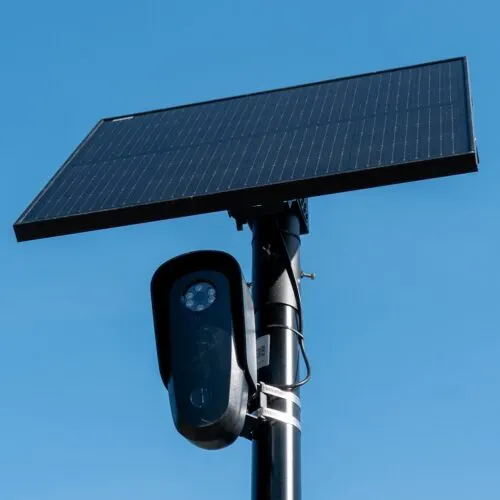
US cities and counties are ending contracts with Flock Safety’s surveillance-camera network at an accelerating rate, driven by privacy, data-sharing, cost and alleged misuse concerns. The trend matters because Flock’s AI-enabled licence-plate-reader systems are becoming a focus of bipartisan scrutiny over whether policing technology is enabling mass surveillance.
Secure Justice recorded 214 localities ending Flock relationships since 2021, including 90 in August 2026—four times July’s total and roughly three cancellations a day. Flock said new city partnerships still outnumbered non-renewals by about ten to one, while it has reduced default data retention from 30 days to seven and tightened rules against misuse. Political pressure has intensified following reported police abuse, with Senator Josh Hawley investigating the company and Florida Governor Ron DeSantis calling its cameras “out of control”.
- Flock contract cancellations surged sharply in August.
- Privacy and alleged misuse fuel mounting opposition.
- Flock says new partnerships still vastly exceed departures.
New here? Start with this
Flock Safety is a US company that supplies cameras which read vehicle number plates and share the resulting records with police and other agencies. The systems can help investigators trace vehicles, but they also create searchable records of where cars have travelled.
Cities and counties decide whether to buy the service and how to use the data, while Flock sets rules for its network. The debate centres on how long records are kept, who can access them, whether data is shared across jurisdictions and how to prevent misuse.
The issue has drawn attention from people concerned about privacy as well as officials focused on policing and public safety. It matters because the spread of these cameras raises questions about the limits and oversight of surveillance technology in local communities.
Both sides, in good faith
The strongest fair case each way — we don't pick a winner.
The case for
Ending contracts is a reasonable way for local authorities to protect residents’ privacy and prevent broad or poorly controlled sharing of location data. Reports of misuse, alongside questions about cost and oversight, give communities grounds to demand stronger safeguards or decide that the technology’s benefits do not justify its risks.
The case against
Keeping Flock systems can be justified if they help police investigate serious crimes and locate suspects, while clear access rules, short retention periods and audits limit privacy risks. New partnerships still substantially outnumber non-renewals, suggesting many local authorities judge the public-safety benefits worthwhile and may prefer tighter safeguards to ending the service.