‘We have not slowed down’: Minnesota not out of the woods on massive fraud scandal, expert warns
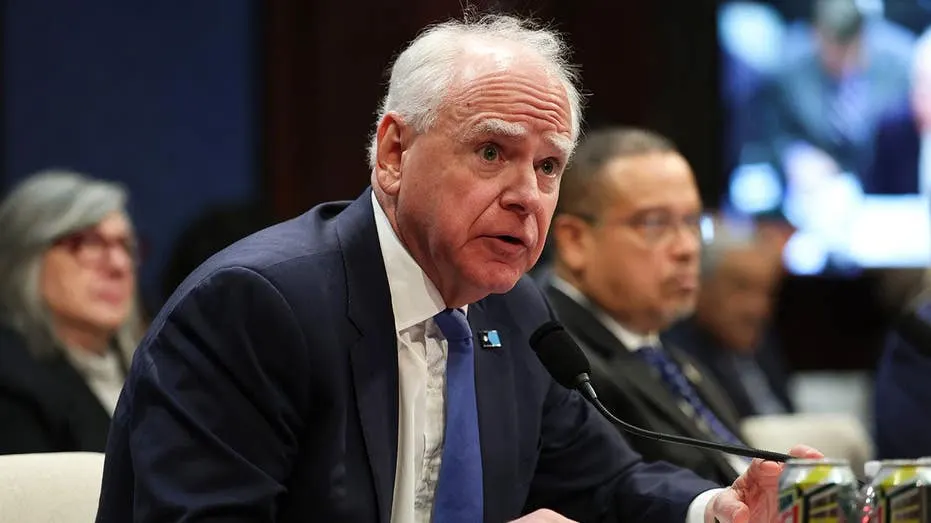
A Minnesota policy expert has warned that the state’s response to alleged fraud involving Medicaid-funded assisted-living providers remains inadequate, despite national attention and claimed losses running into billions. Bill Glahn argues that rapid licensing growth, continuing criminal allegations and insufficient accountability within state agencies mean the underlying risks have not been resolved.
Glahn said 364 provisional assisted-living facilities were licensed in the past year, roughly 20% of the state’s estimated 2,500 facilities, and called for a 90-day licensing pause. He cited an August criminal case against Salman Ahmed Elmi, who faces eight felony theft charges over alleged Medicaid billing fraud; the complaint also alleges links involving businesses, former commercial-sex-service properties and people investigators associate with a sex-trafficking organisation. Glahn criticised Governor Tim Walz’s administration for what he described as weak oversight and a failure to remove officials who missed earlier schemes.
- Expert says Minnesota fraud risks remain unresolved.
- Assisted-living licences have risen rapidly.
- Recent Medicaid fraud charges suggest alleged abuses continue.
Both sides, in good faith
The strongest fair case each way — we don't pick a winner.
The case for
A temporary licensing pause could give Minnesota time to check whether new providers meet standards and whether agencies can monitor them effectively. Continuing allegations and the reported scale of provisional licences make closer scrutiny and accountability a reasonable way to protect public funds and people receiving care.
The case against
A pause could delay legitimate providers from opening and restrict access to assisted living, while treating a broad group of applicants as suspect because of alleged wrongdoing by others. The state could instead strengthen checks and enforcement while licensing continues, and claims about the scale of losses or the adequacy of oversight should be assessed carefully rather than treated as established by allegations alone.