Tech investor mocks Vance’s call to hire Americans as ‘DEI’, gets blasted by Trump officials in H-1B firestorm
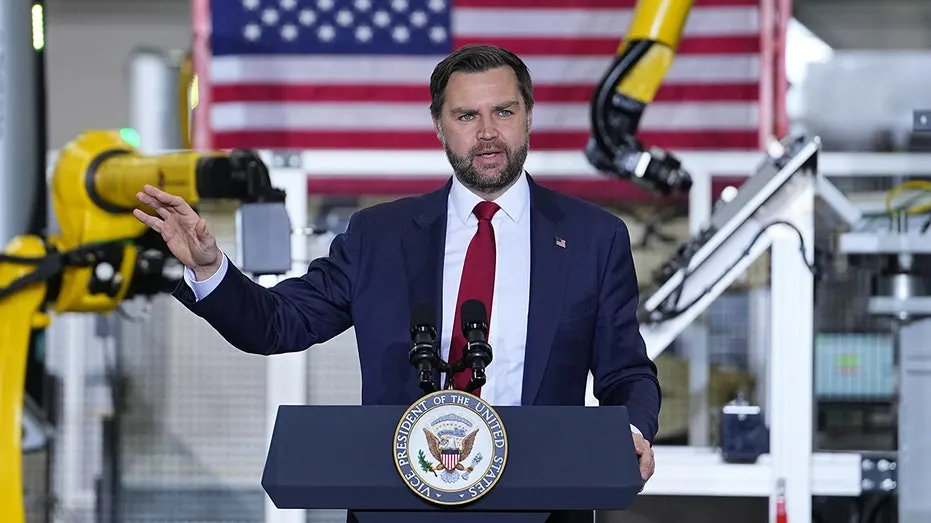
A Silicon Valley investor at Y Combinator, Ankit Gupta, faced criticism from Trump administration officials after reportedly describing Vice President JD Vance’s call for companies to hire and train Americans as “DEI”. The dispute arose amid a broader row over proposed high fees for new H-1B visa petitions, which supporters say could encourage technology firms to recruit more US workers rather than relying on overseas labour.
Labour Department Inspector General Anthony D’Esposito, FTC Chairman Andrew Ferguson and civil-rights official Harmeet Dhillon accused Gupta of dismissing American workers’ interests and highlighted alleged abuses of foreign-worker visa programmes. The proposed fee is $103,265 for many new H-1B applications; the programme is widely used in technology for specialist roles and has long divided opinion over whether it fills skills shortages or undercuts domestic workers, particularly younger and entry-level staff. Y Combinator chief executive Garry Tan responded that the organisation supports hiring and funding Americans.
- Investor’s DEI remark triggered criticism from Trump officials.
- Row centres on costly proposed H-1B visa fees.
- Debate concerns US workers and tech-sector recruitment.
New here? Start with this
The H-1B programme lets US employers sponsor workers from other countries for specialist jobs, and technology companies are among its major users. Supporters say it helps fill jobs where skills are scarce; critics argue it can reduce opportunities or pay for US workers, especially those starting their careers.
The dispute involves technology investor Ankit Gupta, Vice President JD Vance and officials in the Trump administration. It has brought renewed attention to how companies balance hiring from abroad with recruiting and training workers in the United States.
Both sides, in good faith
The strongest fair case each way — we don't pick a winner.
The case for
Supporters of the proposed fee argue that H-1B visas should fill genuine specialist shortages, not let employers avoid recruiting or training Americans. A substantial charge could encourage firms to invest in domestic talent and help protect workers whose wages or entry-level opportunities may be weakened by overseas recruitment; they also point to reported programme abuses as a reason for stronger safeguards.
The case against
Critics argue that a very high fee could make it harder for firms to hire skilled workers from abroad, including when suitable US candidates are scarce, and could impose particular costs on smaller employers. They see international recruitment as a way to fill specialised roles and sustain innovation, while arguing that concerns about abuse are better addressed through targeted enforcement than a broad charge; they may also view calling domestic hiring priorities “DEI” as a pointed critique of political rhetoric rather than a rejection of American workers.