Five Teenagers Die in M9 Motorway Collision; Injured Survivors Recover as Welfare System Gaps Emerge
Developed over time first seen 2 months ago
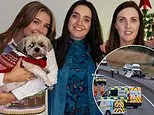
A head-on collision on the M9 motorway resulted in the deaths of five teenagers travelling in the wrong direction, whilst leaving three sisters with critical injuries. According to family friends, the injured sisters are demonstrating encouraging recovery following surgical intervention and may potentially be discharged from hospital before late September, with notably positive progress also reported for a seven-year-old family member.
The collision has illuminated systemic shortcomings in child protection and mental health services. The mother of one of the deceased teenagers disclosed that she made multiple requests for support from Tusla, Ireland's child welfare agency, as her autistic son experienced increasingly difficult behaviour before his death. She has highlighted a fundamental contradiction within the system whereby parents retain legal responsibility for adolescents aged 16–17 whilst being denied the statutory power to mandate their participation in therapeutic treatment or educational provision.
- Five teenagers died in an M9 head-on collision resulting in three critical injuries; survivors showing positive medical progress with expected discharge by month's end
- Deceased teen's mother describes failed attempts to access mental health support from Tusla for her autistic son, revealing gaps in child welfare provision
- Case exposes paradox where parents bear responsibility for vulnerable teenagers but lack legal authority to compel treatment or school attendance
New here? Start with this
Since the head-on crash killed the group of teenagers who were travelling in the wrong direction on the motorway, three sisters from the same family have been fighting for their lives in hospital. Their recovery, alongside that of a young relative also caught up in the crash, has become part of how the wider community has been following the aftermath.
The collision has also drawn attention to how Ireland's child protection and mental health services support struggling teenagers and their families. One mother has spoken about repeatedly seeking help from Tusla, the state child and family agency, for her autistic son before his death, pointing to a gap in the system: parents of 16 and 17 year olds remain legally responsible for them but have no formal power to compel them into treatment or education.
This combination of a fatal road tragedy and a personal account of struggling to get support has turned the story into a wider conversation about how well services are equipped to help vulnerable teenagers and their families before a crisis occurs.
Both sides, in good faith
The strongest fair case each way — we don't pick a winner.
The case for
Advocates for reform argue that parents who remain legally and morally responsible for teenagers are left powerless at the exact moment intervention matters most, unable to compel counselling, therapy or school attendance even as a child's distress visibly escalates. They see the bereaved mother's account of repeated, unanswered requests to Tusla as evidence of a genuine legislative gap, particularly for young people with additional needs such as autism who may lack the insight to seek help themselves. Closing that gap, in their view, is a matter of protecting vulnerable adolescents from falling through the cracks of an overstretched system before crises become irreversible.
The case against
Others caution that handing parents statutory power to compel 16- and 17-year-olds into treatment risks undermining the young person's own emerging autonomy and the trust that effective therapy depends upon, since coerced engagement often proves counterproductive. They argue the deeper failure is not a lack of legal authority but chronic underfunding and understaffing of child and adolescent mental health services and Tusla, meaning a mandate to attend would still run into the same waiting lists and staff shortages. This perspective is also wary, given Ireland's history of institutional overreach into family life, of expanding compulsory powers over teenagers without first fixing the resourcing that made timely voluntary support unavailable in the first place.
Full account
Five teenagers aged between 15 and 18 died after a head-on collision on the M9 motorway, according to the reports. The second vehicle was said to have been travelling in the wrong direction. Three sisters — Ella, Niamh and Alma Kinsella — were injured while travelling from Graiguecullen near Carlow to Dublin Airport for a family wedding in Britain, alongside Alma’s seven-year-old son, Yemi.
Friends of the Kinsella family said the sisters had undergone substantial surgery but were making steady progress. They expressed hope that all three could leave hospital before the end of September if their recoveries continued. Yemi reportedly broke a leg but was said to have recovered and to be staying with relatives. The family thanked supporters for messages, donations and a church vigil, while asking that their privacy be respected.
A fundraising appeal for the injured sisters had exceeded €800,000 at the time of Source 1’s report. Their relatives said their immediate priority was supporting the women and remaining together as a family, and did not provide further details about their medical treatment or the circumstances of the collision.
Source 2 examines the background of one of those killed, 17-year-old Kamil Pustkowska. His mother, Emilia Pustkowska, said she had sought intervention from Tusla, the State child and family agency, and had also asked a court for her son to be detained after concerns about his behaviour and safety. She described feeling unable to secure support for a teenager who she said would not engage with services, and argued that child-protection and youth-justice arrangements left parents without effective options. These are her allegations and views; the supplied extract does not include a response from Tusla or other State bodies.
Where outlets differ
Source 1 concentrates on the recovery of the three injured sisters, Yemi’s reported recovery, public support and the family’s request for privacy.
Source 2 focuses on the account of Kamil Pustkowska’s mother and her criticism of Tusla and the juvenile justice system; it adds contextual claims about her efforts to obtain help before the crash.
The sources use different spellings of Kamil’s surname in the supplied text, so this account avoids treating that discrepancy as resolved.
Coverage
- Daily Mail — Family friend of sisters critically injured in M9 crash hints at hospital release date as more extremely POSITIVE details of little boy’s recovery emerge
- Daily Mail — ‘How do I keep him at home… tie him up?’ Mother of M9 crash teen Kamil Pustkowski reveals the insane Catch 22 that meant TUSLA wouldn’t help her as he spiralled out of control