Scandal of indefinite jail terms will end this parliament, Burnham says
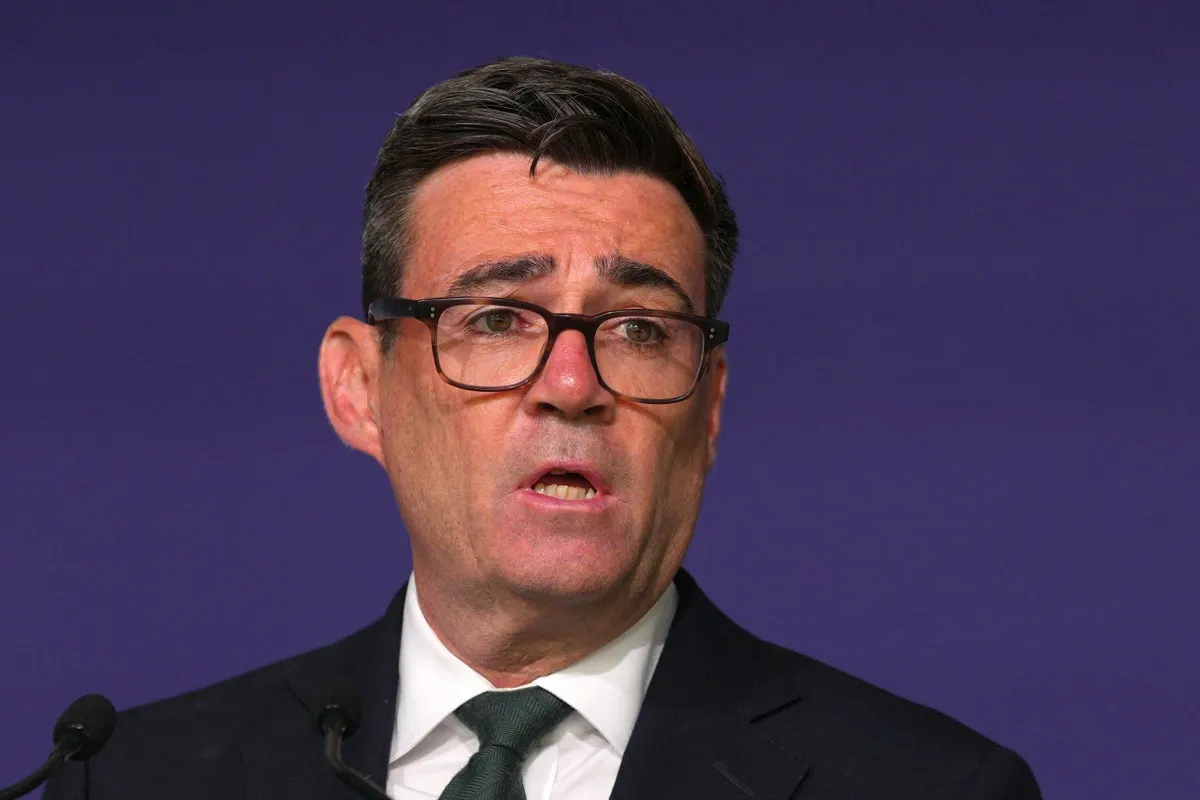
Prime Minister Andy Burnham has announced that Imprisonment for Public Protection (IPP) sentences will be abolished by the end of this parliament, marking a major victory for campaigners including The Independent, which has spent over two years pushing for the sentences to be reviewed. Burnham said he had "long-standing concerns" about the open-ended jail terms and took a "common sense" approach, arguing the public would prefer those who have served their time to be released before others who committed more serious crimes but are being freed early under separate government reforms.
IPP sentences were introduced under New Labour and outlawed in 2012, but not retrospectively, leaving thousands of prisoners without a fixed release date, some having served up to 22 times their original tariff. Campaigners, including Shirley Debono of IPP Committee in Action, whose son has served nearly 14 years for a phone theft, welcomed the news as "incredible" after 12 years of campaigning, while UNGRIPP called it an essential first step but urged swift implementation with proper mental health support. The reform comes too late for 96 IPP prisoners who took their own lives, including Tommy Nicol, who died in 2015 aged 37.
- Burnham to scrap IPP indefinite jail sentences by end of parliament
- Sentences outlawed in 2012 but not applied retrospectively, trapping thousands
- Campaigners welcome move, though 96 IPP prisoners died by suicide
New here? Start with this
Imprisonment for Public Protection (IPP) sentences were introduced in England and Wales in 2005 for some serious offences. A judge set a minimum term, or tariff, but release after that depended on the prisoner showing they no longer posed a risk; the sentence had no fixed end date.
The sentences were abolished for new cases in 2012, but that change did not cover people already serving them. As a result, some prisoners remained in custody long after their minimum terms, while others were released but stayed subject to licence conditions. The issue has involved prisoners and their families, campaign groups, ministers and the courts.
The debate is about how to protect the public while treating people fairly and supporting their rehabilitation. Campaigners have also highlighted the mental health effects of uncertainty and prolonged detention.
Both sides, in good faith
The strongest fair case each way — we don't pick a winner.
The case for
Abolishing the remaining IPP sentences would address the profound unfairness of keeping people in prison indefinitely after they have served the punishment set for their original offence, sometimes for far longer. Supporters argue that people should have a clear route to release and appropriate mental health support, and that ending the sentences would restore proportionality and dignity while preventing further harm.
The case against
Abolition must also account for public safety and the circumstances of people whose original offences were serious. A thoughtful critic could argue that release should depend on a careful, individual assessment of current risk and access to effective supervision and support, so that reform does not leave victims or the public exposed or simply shift responsibility for managing risk elsewhere.