Video games news, releases, esports and culture — all the biggest gaming stories in one place.
HBO Officially Retcons One DC Superhero’s Backstory for the Better
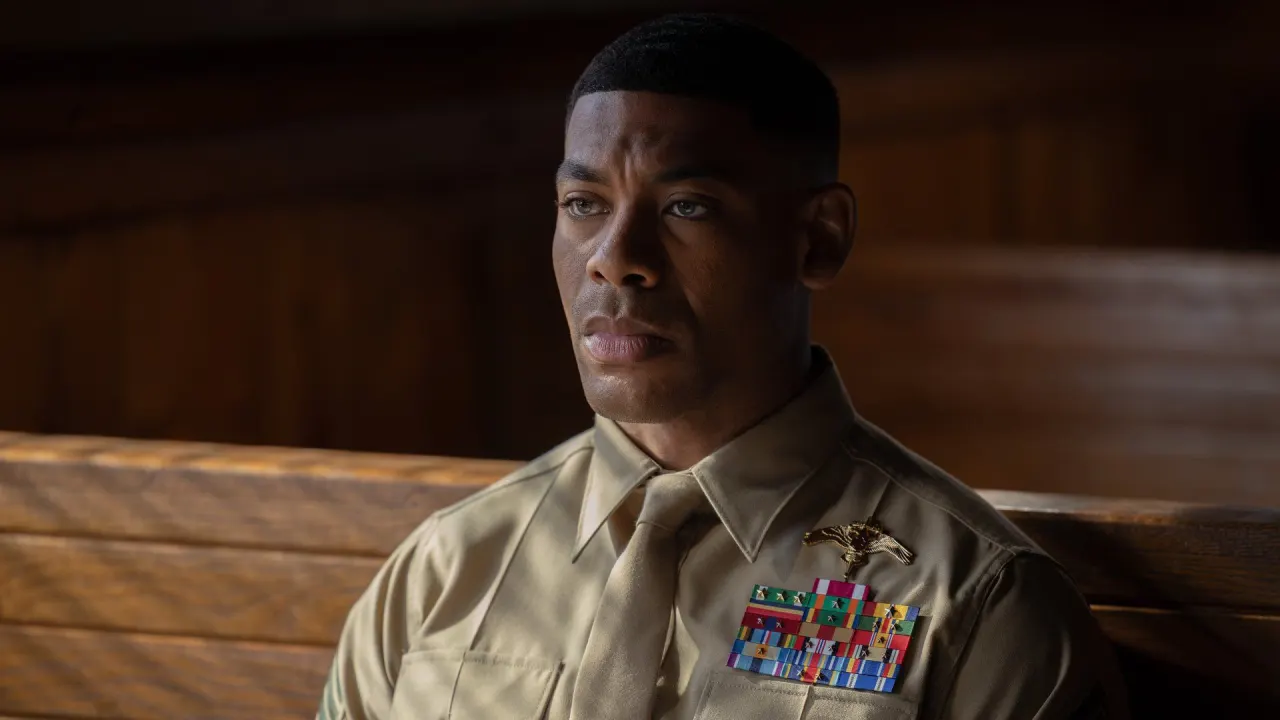
HBO's Lanterns has reworked the origin story of Green Lantern John Stewart (Aaron Pierre), shifting his backstory in a way that deepens the show's themes rather than simply modernising the DC Comics character for the screen. Episode three, titled "OutKast", explores how John came to serve as Hal Jordan's (Kyle Chandler) backup and what wielding a power ring means to him, building on a cliffhanger in which the disgraced former Lantern Sinestro (Ulrich Thomsen) warns Hal that John poses a greater threat than the shapeshifting Manhunters he came seeking information about.
In the comics, created by Dennis O'Neil and Neal Adams in 1972, John is recruited as an adult after fellow Lantern Guy Gardner is injured, and Adams designed him as an unmasked symbol of Black Power who confronts racism head-on. The HBO series instead begins John's story at birth: his father failed the same "are you afraid?" test that gave Hal his ring, and a guilt-ridden Guardian (Laura Linney) later tells John's mother, Bernadette (Jasmine Cephas Jones), that raising her son to be fearless could make him Hal's eventual successor. Writer Vanessa Baden Kelly frames the episode around an ambitious Black family pushing their son towards heroism within a system stacked against him, with co-creators Tom King and Damon Lindelof citing Adams's activism and other mythic superhero stories as inspiration for the change.
In short
- HBO's Lanterns reimagines John Stewart's Green Lantern origin story.
- Episode 3, "OutKast", traces his path from infancy, not adulthood.
- Show explores race, fear and family sacrifice, per creators King and Lindelof.
Steelman: both sides, in good faith
The strongest fair case each way — we don't pick a winner.
The case for
The reworked origin can be defended as a thoughtful adaptation that gives John Stewart’s relationship to the ring and his possible succession to Hal a stronger place in the series’ themes. By centring an ambitious Black family and the pressures of raising a child to be fearless in an unequal system, it can honour the comics’ engagement with racism while giving the character a distinct dramatic arc.
The case against
The change can also be seen as risking what made John’s original introduction distinctive: he was an adult recruited into the Corps and designed as a Black hero who confronted racism directly. Starting his story at birth and tying his future to a Guardian’s prediction may shift attention from his own choices and activism towards inherited destiny, while making him more closely defined by Hal’s legacy.
Explained simply
Green Lantern is a superhero whose power ring can create objects from its wearer’s willpower. John Stewart, created for DC Comics in 1972, was recruited as an adult to serve in the Green Lantern Corps, an organisation that protects the universe. His original stories also addressed racism directly, reflecting the character’s origins as a Black hero created by artists Dennis O’Neil and Neal Adams.
In HBO’s Lanterns, John’s connection to the ring begins before he is old enough to use it. His family’s hopes for him, and the choices made by the Guardians who oversee the Corps, shape his path towards becoming a Lantern. This background helps explain why the series links his superhero role to questions of family, fear and responsibility.