Cyberpunk 2077 launched when it did because its devs wanted it “out the door” says CD Projekt Red CEO, but I wonder if he forgot about that reported mandatory crunch
Developed over time first seen 2 months ago
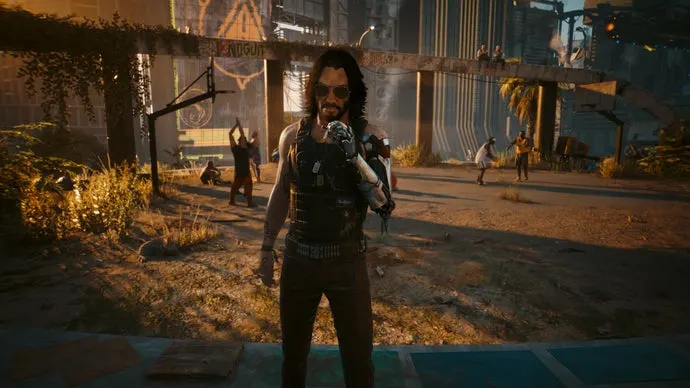
CD Projekt Red joint CEO Michał Nowakowski has reiterated that Cyberpunk 2077's troubled 2020 launch stemmed from exhaustion within the development team rather than pressure from investors, while also conceding outright that the decision to release when it did was "wrong". Speaking to The Game Business, he said mid-pandemic conditions created a distinct kind of tension, with fans and staff alike wanting the game finished, though he rejected the idea that "magical investors" forced the launch date. The remarks matter because they cement how the studio now frames one of gaming's most notorious launches as it works towards releasing The Witcher 4.
Nowakowski described the situation as "much more complicated and psychological" than a simple investor mandate, pointing instead to team fatigue compounded by COVID-19 as the driving factor. Commentary accompanying the interview pushed back on that framing, noting reports that mandatory crunch was imposed in the months before launch, contradicting the studio's earlier stance against crunch, which suggests individual developers' wishes may have differed from what they were actually required to do. With The Witcher 4 currently targeting a 2028 release, the episode remains a reference point for scrutiny of how CD Projekt Red manages development pressure going forward.
- CEO blames Cyberpunk 2077's bad launch on team burnout, not investors
- He admits the 2020 launch timing was "wrong"
- Critics note reported mandatory crunch contradicts that account
New here? Start with this
Cyberpunk 2077 was CD Projekt Red's big open-world follow-up to The Witcher 3, and its 2020 launch became one of the most notorious in gaming history: the game shipped in a badly unfinished state, especially on older consoles, prompting refunds, lawsuits and lasting reputational damage to the Polish studio. Michał Nowakowski is one of the company's joint chief executives, and how he explains that launch matters because it shapes how much responsibility the studio publicly takes for what went wrong.
A recurring question ever since has been who pushed for the game to come out when it did, given widespread reports at the time that staff were made to work mandatory long hours, known as crunch, in the final months before release, despite the company having previously said it did not believe in forcing crunch on employees. The launch also happened in the middle of the Covid-19 pandemic, which affected how the studio operated and how its staff were coping.
This debate is resurfacing now because CD Projekt Red is preparing The Witcher 4, a major new game due around 2028, and the studio is keen to show it has learnt lessons from the Cyberpunk 2077 launch and will not repeat the same mistakes.
Both sides, in good faith
The strongest fair case each way — we don't pick a winner.
The case for
Those sympathetic to Nowakowski's account would note that a large studio contains many perspectives, and it is entirely plausible that numerous veteran developers, worn down by years of delays and mounting public expectation, genuinely wanted to ship the game rather than endure further postponement. On this reading, exhaustion-driven eagerness to finish and a company-imposed crunch period are not mutually exclusive, and Nowakowski still deserves some credit for openly calling the launch decision "wrong" rather than deflecting blame onto investors or the pandemic alone.
The case against
Sceptics would counter that framing the rushed launch around what "the devs wanted" glosses over the fact that management itself set the mandatory crunch conditions under which that exhaustion arose, meaning the company controlled the very pressures it now cites as an internal, almost personal, motivation. From this view, exhaustion produced by required overtime is not the same as a free choice to ship, and a studio approaching another high-profile release has an obvious incentive to tell a story that avoids scrutiny of its labour practices and past reversal on its anti-crunch pledge.
More coverage
Business Companies Cybersecurity Entertainment Gaming Technology