Uber begins Wayve autonomous journeys across London with supervisors
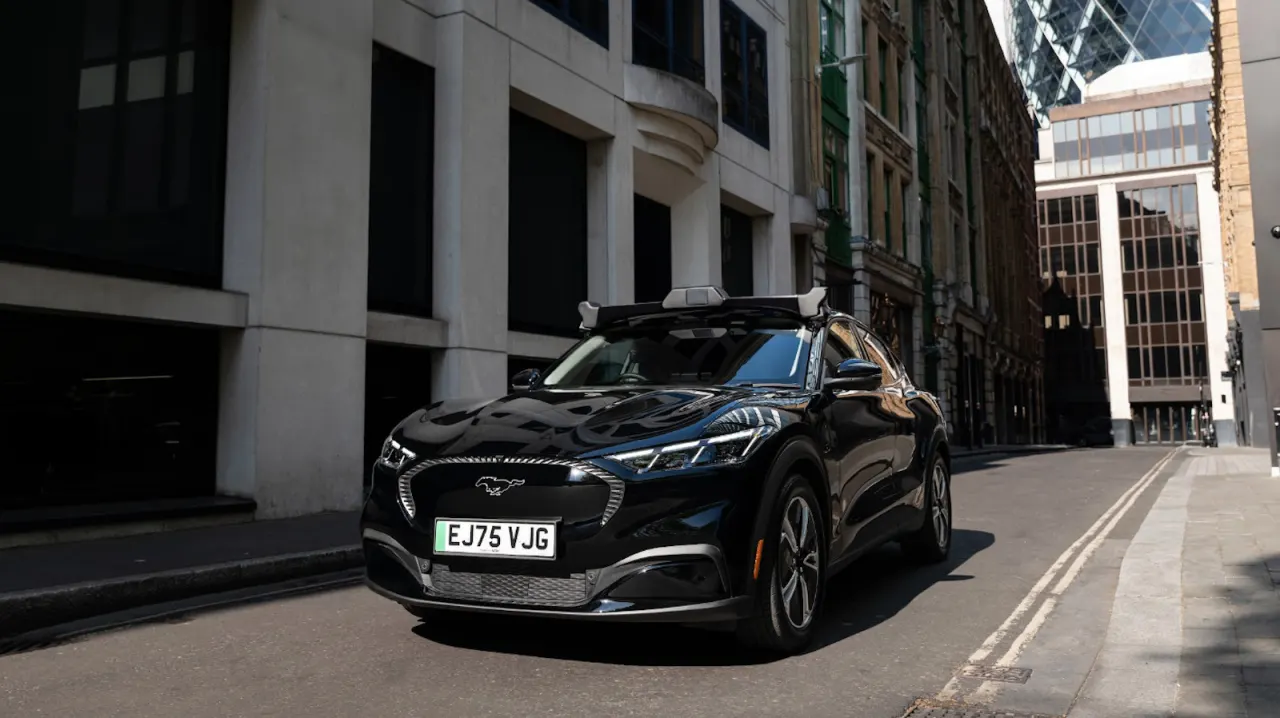
Uber has launched robotaxi rides in London through a partnership with British autonomous vehicle firm Wayve, marking the first such service in the UK capital. Customers requesting an UberX, Uber Comfort or Uber Electric journey may now be matched with a self-driving Ford Mustang Mach-E, though a human supervisor must remain behind the wheel at all times under the terms of Uber's newly granted licence.
Uber secured its licence to operate autonomous vehicles in London only last month, with regulations currently requiring a human driver present in a supervisory role; fully driverless operation is likely some way off. Riders will be alerted before an autonomous vehicle is dispatched, giving them the option of a conventional car instead, and fares remain the same as standard rates, though tipping prompts are removed (passengers can still tip via Trip History). The move extends Uber's existing US robotaxi operations in cities including Dallas, Las Vegas, Atlanta and Austin, and the Wayve partnership will continue, with a further tie-up planned to bring Nissan autonomous vehicles to Tokyo.
- Uber and Wayve launch London's first robotaxi rides
- Human supervisor still required under Uber's new licence
- Same fares apply; no tipping prompts for AV trips
New here? Start with this
Uber is a ride-hailing company that connects passengers with drivers through an app. Wayve is a British company developing technology that allows cars to navigate roads without a person controlling every movement. Its system is being used in Ford Mustang Mach-E cars for Uber journeys.
Rules for autonomous vehicles in London currently require a human supervisor in the car, ready to take control. The service therefore offers a way to introduce self-driving technology while keeping a person behind the wheel. How it develops matters for London’s transport and for companies seeking to expand automated taxi services.
Both sides, in good faith
The strongest fair case each way — we don't pick a winner.
The case for
Introducing supervised autonomous rides could help London assess the technology in real traffic while keeping a human supervisor ready to intervene. Supporters may see the opt-out, unchanged fares and continued human oversight as a measured way to test potential safety and transport benefits and build expertise in a British technology company.
The case against
Critics may argue that putting autonomous vehicles into public service before their safety and broader effects are well established exposes passengers and other road users to avoidable uncertainty. Even with a supervisor and an opt-out, the trial could normalise a system that may later reduce driving jobs or shift responsibility for incidents, so they may favour stronger evidence and safeguards before expansion.
Read the full article at the source →
Originally published by Engadget as “Uber launches first robotaxis in London (with human supervisors)”.