Reports: RFK Jr. ordered measles deaths deletion; CDC still secretly counts them
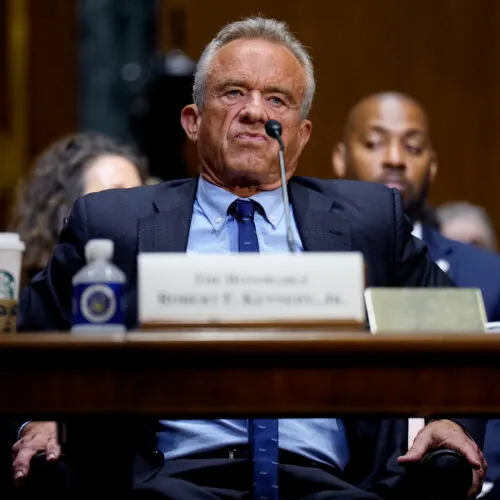
Two reports allege that US Health Secretary Robert F. Kennedy Jr. personally ordered the deletion of two measles deaths from the Centers for Disease Control and Prevention's public data, even though CDC staff had already reviewed and accepted that the deaths were measles-related. Reuters reported that Kennedy instructed new CDC director Erica Schwartz to remove the deaths, which she did without objection, while separate reporting from Inside Medicine found the two deaths remain recorded in an internal CDC database used by state and local health officials, indicating the agency is still tracking them privately while withholding the figures from the public.
The deaths, of a newborn and a child, were briefly published and then removed from the CDC's website within hours on 30 August, following reports from Pennsylvania health officials, where an ongoing outbreak has now sickened 540 people, including 119 in the past week. The CDC's public note initially acknowledged the deaths but now states the available information does not confirm measles as the cause, despite Pennsylvania's health department insisting it supplied all required data. The episode follows a public clash between Kennedy and Pennsylvania Governor Josh Shapiro, after which Kennedy spread vaccine misinformation and suggested without evidence that the state had "fabricated" the deaths; the Department of Health and Human Services has not explained what information it says is missing.
In short
- RFK Jr. reportedly ordered deletion of two measles deaths from CDC's public site
- Internal CDC database still secretly records the same two deaths
- Pennsylvania outbreak has now sickened 540 people, 119 in the last week
Steelman: both sides, in good faith
The strongest fair case each way — we don't pick a winner.
The case for
If the CDC had not received or verified all the evidence needed to establish measles as the cause of death, withholding the figures from public reporting could protect the accuracy of its statistics and avoid presenting a provisional finding as confirmed. The department’s public note says the available information does not confirm the cause, and a health agency should be able to review how deaths are classified, provided it applies clear standards consistently and explains its reasoning.
The case against
If CDC staff had reviewed and accepted the deaths as measles-related, removing them from public data at a political leader’s direction while retaining them in an internal database risks making the public record incomplete and undermining trust. Accurate, transparent reporting matters especially during an outbreak, and the department’s failure to identify what information is missing leaves the change difficult to scrutinise; the reported personal intervention and preceding political dispute heighten those concerns.
Explained simply
Measles is a highly contagious disease that can cause serious illness, especially in young children. In the United States, state health departments report cases and deaths to the Centers for Disease Control and Prevention (CDC), the federal agency that monitors disease and publishes national figures.
Robert F. Kennedy Jr. is the US health secretary and oversees the CDC; Erica Schwartz is its director. Pennsylvania officials have reported measles deaths during an outbreak in the state, while the CDC’s public account of whether measles caused those deaths has changed.
The dispute matters because public health figures help people and officials understand an outbreak and make decisions about responding to it. It has also raised questions about how the CDC handles state reports and what information is shared with the public.