World news and discussion on TalkFuse.
US military disables ad trackers on troops’ phones amid security fears
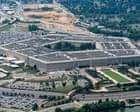
The US military has disabled advertising trackers on troops' phones and computers after reports that commercially available location data was used to target American forces in the Middle East. Senator Ron Wyden released letters from military branches on Friday confirming the changes, which address concerns that data brokers selling location information could allow adversaries to track deployed personnel, though Wyden said the military's efforts "have not been effective at neutralizing this threat".
The air force said it disabled advertising identifiers on devices two months ago, while Special Operations Command said it had "recently" done so on Windows devices; the army said mobile advertising IDs had been switched off since earlier this year, with Windows computers blocked "since before 2021". Wyden and Republican representative Pat Harrigan have asked the Pentagon to investigate whether the military properly addressed the risks, warning that adversaries "should not be able to pull out a credit card" to buy tracking data. A privacy expert welcomed the move but cautioned troops could still be tracked through other, more complex methods, such as combining device and network data.
In short
- US military disabled advertising ID trackers on troops' phones and computers.
- Move follows reports that location data was used to target US forces.
- Senator Wyden says the fixes have not fully solved the tracking risk.
Steelman: both sides, in good faith
The strongest fair case each way — we don't pick a winner.
The case for
Disabling advertising identifiers is a prudent security measure: location data sold by brokers could expose deployed personnel to hostile actors, and adversaries should not be able to buy an easy route to tracking them. The changes can reduce a preventable risk while the Pentagon investigates whether protections are adequate.
The case against
Turning off advertising identifiers may offer only partial protection, since troops could still be tracked through other data or more complex methods. A thoughtful critic could therefore question whether the changes are effective enough to justify confidence, and argue that the Pentagon should assess the wider risks before treating this step as a solution.
Explained simply
Smartphones, tablets and computers can generate location data through apps and advertising systems. Data brokers collect and sell some of this information, which can reveal where a device has been and, in some cases, help identify the person using it.
The US military employs personnel overseas, including in the Middle East, where their whereabouts can be sensitive. If commercially sold data makes it possible to track deployed troops, other governments or groups could use it to learn about their movements and operations.
Advertising identifiers are codes used to help track activity for advertising, and turning them off can limit one source of location information. They are not the only way to track a device: location can sometimes be inferred by combining other data, such as network connections.
Americas Geopolitics Middle East Politics Technology World