Valve secretly leaked a Left 4 Dead 2 trailer to dodge the ESRB
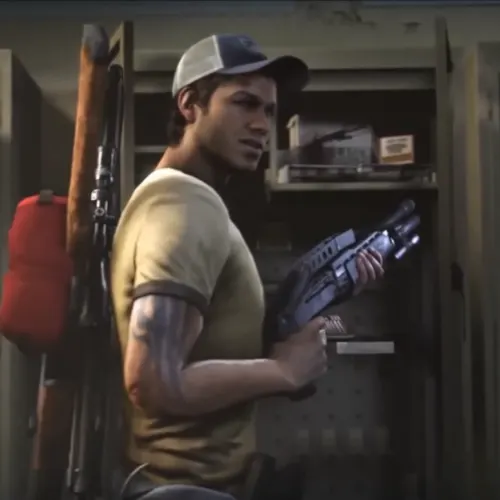
Former Valve writer Chet Faliszek has revealed that the widely publicised 2009 "leak" of a Left 4 Dead 2 trailer was actually orchestrated by Valve itself, in order to sidestep the Entertainment Software Rating Board's (ESRB) marketing restrictions. At the time, the ESRB enforced strict guidelines on trailer content, prohibiting graphic violence, weapons use, gore and crude language, and Valve believed the footage would not have been approved through official channels, so it seeded the clip online to spread virally instead.
Valve had already clashed with the ESRB earlier in 2009 over a promotional image showing a hand with three severed fingers, which had to be reshot with the digits merely curled rather than missing. The ESRB had also previously forced the removal of trailers for other games, such as Dark Sector and The Darkness, even after they had circulated online behind age gates, citing rules against excessively violent or offensive content. Faliszek noted Valve was simultaneously fighting censorship battles over the game in Australia and Germany, and said he now feels safe admitting the ruse given it happened roughly two decades ago; the same footage was later used as the game's actual intro cinematic once it received an "M for Mature" rating.
In short
- Valve staged its own Left 4 Dead 2 trailer "leak" in 2009
- Move was designed to bypass ESRB's strict marketing content rules
- Revealed 17 years later by former Valve writer Chet Faliszek
Steelman: both sides, in good faith
The strongest fair case each way — we don't pick a winner.
The case for
Valve’s approach can be defended as a creative way to reach adult audiences when formal trailer rules seemed to prevent an accurate portrayal of a game that was ultimately rated for mature players. The earlier dispute over the promotional image and restrictions in other markets may have reinforced its view that the review process was suppressing material that consumers had a legitimate interest in seeing.
The case against
The ESRB’s restrictions can be defended as a way to keep promotional material suitable for broad audiences and to give parents clearer notice about violent content before a game’s release. Secretly presenting an advert as a leak sidestepped that process and risked misleading viewers about how the footage had reached them, potentially weakening trust in both ratings and marketing.
Explained simply
Left 4 Dead 2 is a 2009 video game by Valve, in which players fight zombie-like infected creatures. Chet Faliszek, a writer at Valve, worked on the game. The Entertainment Software Rating Board (ESRB) rates games in the United States and sets rules for their advertising.
At the time, the ESRB restricted violent material in game trailers, and Valve had already been asked to change a promotional image for Left 4 Dead 2. The company was also dealing with censorship disputes over the game in Australia and Germany. These restrictions mattered because they shaped how violent games could be shown to the public before release.